
Normal Airplane Sounds Explained for Nervous Flyers
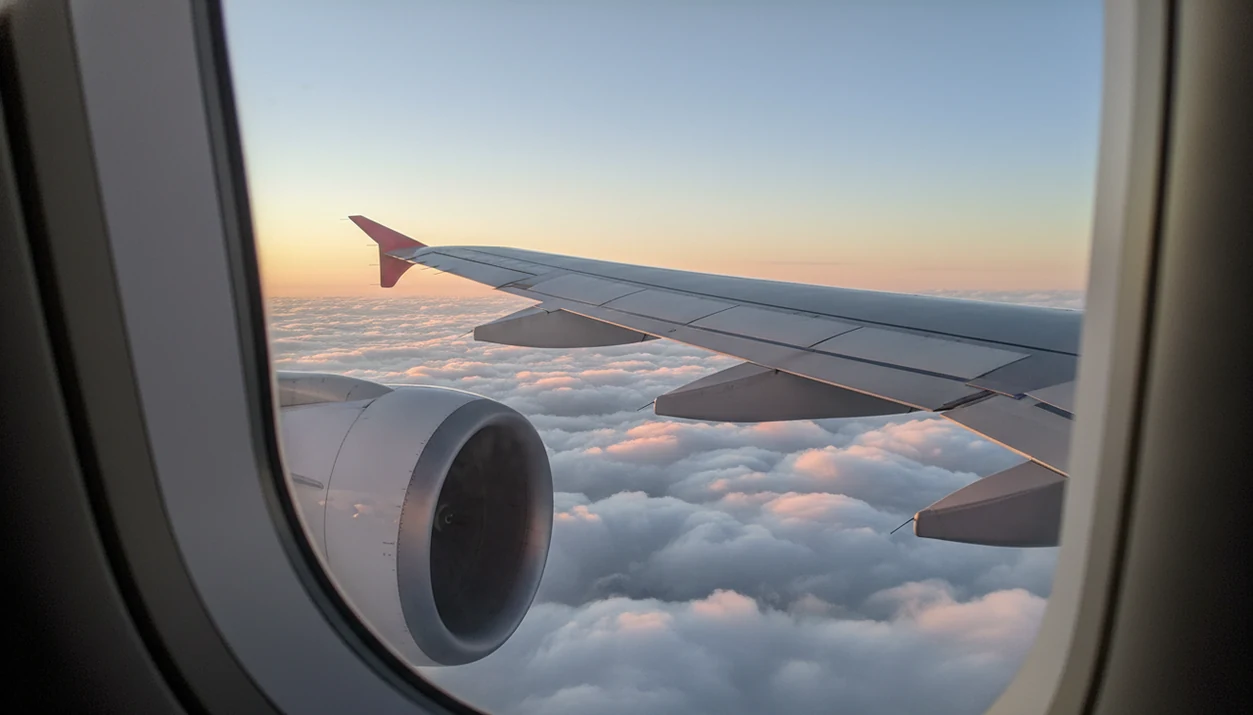
Normal airplane sounds are the clicks, whirs, thumps, dings, rumbles, and engine changes that happen as the aircraft taxis, takes off, cruises, descends, and lands. Most are routine mechanical, aerodynamic, or cabin-system noises, not signs that something is wrong.
Definition: Normal airplane sounds are routine aircraft, cabin, and airflow noises produced by engines, flaps, slats, landing gear, pressurization, crew signals, and flexible interior panels during a standard passenger flight.
TL;DR
- The loudest normal plane sounds usually happen during takeoff and landing because engines, flaps, slats, brakes, and landing gear are all active.
- Engine noise changes are usually planned power adjustments, not evidence that the engines are failing.
- Chimes, beeps, thumps, rattles, and whirs are common, but passengers should tell crew about smoke, burning smells, visible fluid leaks, or anything clearly unusual.
Normal Airplane Sounds by Flight Phase
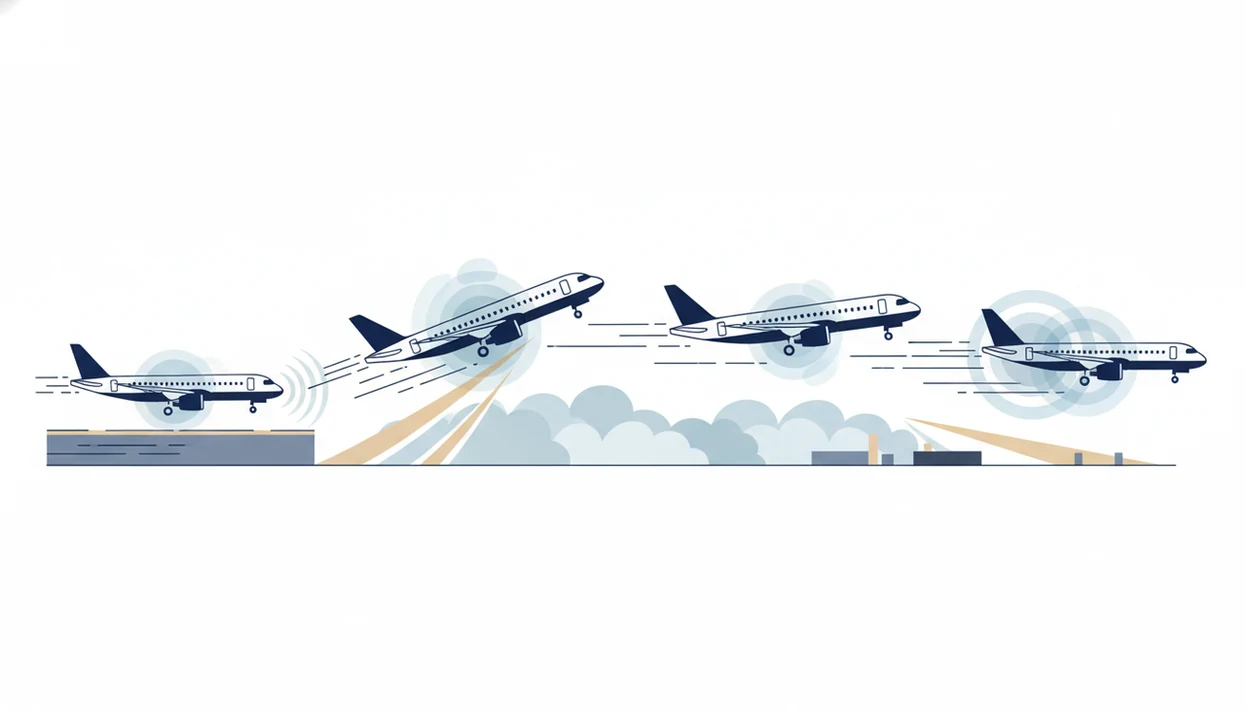
Airplane noises explained by flight phase are easier to tolerate because each sound gets a job. The same thump that feels alarming in your stomach often has a plain source, like landing gear moving or wheels crossing runway joints.
| Sound | Flight phase | Likely source | Safety meaning |
|---|---|---|---|
| Roar, rising engine tone | Takeoff | Engine power increase | The aircraft is accelerating |
| Whir or hum near wings | Takeoff, landing | Flaps, slats, motors | Wing shape is changing for low speed |
| Thump, clunk, rumble | Takeoff, landing | Landing gear or runway surface | Gear is moving or wheels are rolling |
| Ding, beep, chime | Any phase | Crew signals, seatbelt alerts | Usually routine communication |
| Whoosh, hiss, pressure sound | Climb, descent | Pressurization and airflow | Cabin and air systems are adjusting |
| Rattle or creak | Taxi, turbulence | Cabin panels, bins, carts | Interior fittings are moving slightly |
Sounds vary by aircraft type, seat location, airline procedure, and weather. A seat over the wing can make flap motors feel personal.
Five Facts About Airplane Noises Explained for Nervous Flyers
These five facts are the ones to save in your Notes app before you open the airline app at midnight.
- Most unexpected noises in takeoff, cruise, and landing are normal mechanical or airflow sounds from engines, wheels, flaps, slats, cabin systems, or pressurization.
- Chimes and beeps are usually crew signals, seatbelt alerts, or routine cabin communication, not emergency alarms for passengers.
- Cabin rattling and creaking are common because airliner interiors are flexible; those panels are not the aircraft’s main structure.
- Sudden engine loudness or quietness usually reflects normal thrust changes during climb, cruise, or descent.
- Modern commercial flying is extremely safe; Boeing's Statistical Summary of Commercial Jet Airplane Accidents reported a fatal accident rate of 0.37 per million departures for scheduled commercial jet operations in 2022 (Boeing Statistical Summary).
For nervous flyers, labeling the sound is often better than chasing reassurance because it gives the brain a specific alternative to danger.
Aircraft Engines, Airflow, and Cabin Systems Behind Flight Noise
Aircraft noise comes from engines, airflow, hydraulics, electric motors, pressurization, wheels, brakes, and movable wing surfaces. In plain language, the plane is changing shape, speed, pressure, and power as it moves through each phase.
Takeoff and landing sound busier because more systems are active at once. Engines change thrust, flaps and slats move, wheels retract or extend, brakes work, and airflow shifts around the wings. The cabin can also flex, expand slightly, and pass along vibration without that meaning danger. If you’ve felt the cabin door closing with a thud, you’ve already felt how solid and mechanical the environment is.
Pilots and maintenance teams do not rely on passenger sound interpretation. They use instruments, checklists, procedures, inspections, and flight deck alerts. A good fear of flying resource should explain causes, treatments, coping strategies, and tools for nervous flyers, not ask you to diagnose aircraft systems from seat 24A.
That is why this page treats sound as orientation, not diagnosis: the useful passenger question is usually 'What phase of flight am I in?' rather than 'Can I identify a fault from my seat?'
Plane Sounds During Takeoff and Climb
Plane sounds during takeoff often include engine roar, runway rumble, flap or slat whirs, landing gear thumps, and a quieter engine tone after initial climb. These are normal plane sounds takeoff creates as the aircraft changes from ground configuration to climb configuration.
The runway rumble comes from acceleration, wheels, pavement texture, and speed. After liftoff, you may hear a clunk or feel a vibration as the landing gear retracts. The engines may then sound quieter because pilots reduce thrust from takeoff power to climb power. That change can feel suspicious when you cannot see the checklist happening up front.
Your body is also scanning harder. Anticipation, dry mouth, and lack of visual context make every sound feel selected for you. If takeoff is your hardest phase, the sound sequence in takeoff anxiety is worth learning before boarding group B is called.
Normal Airplane Sounds in Cruise, Turbulence, and Descent
Cruise noises are usually engine pitch changes, airflow whoosh, pressurization sounds, galley rattles, overhead-bin movement, and cabin creaks. The flight may feel quieter, but quieter does not mean nothing is happening.
During turbulence, panels, trays, carts, bins, and latches may rattle while the aircraft remains within design limits. The FAA also notes that turbulence is a normal part of flying and is tracked and managed by crews using forecasts, reports, and operating procedures (FAA turbulence guidance). A cart paused in the aisle can make the whole cabin feel more dramatic than the movement deserves. The wings and body are built to tolerate motion, and the visual side is covered in why airplane wings bend.
Descent adds another set of sounds. Engines may become quieter, speed brakes can create vibration, and airflow may deepen or pulse. Use this three-part reset: label the sound, match it to the phase, then return attention to one task. Timer. Playlist. Water bottle. Boring on purpose.
Landing Gear, Flap, Brake, and Reverse-Thrust Airplane Noises
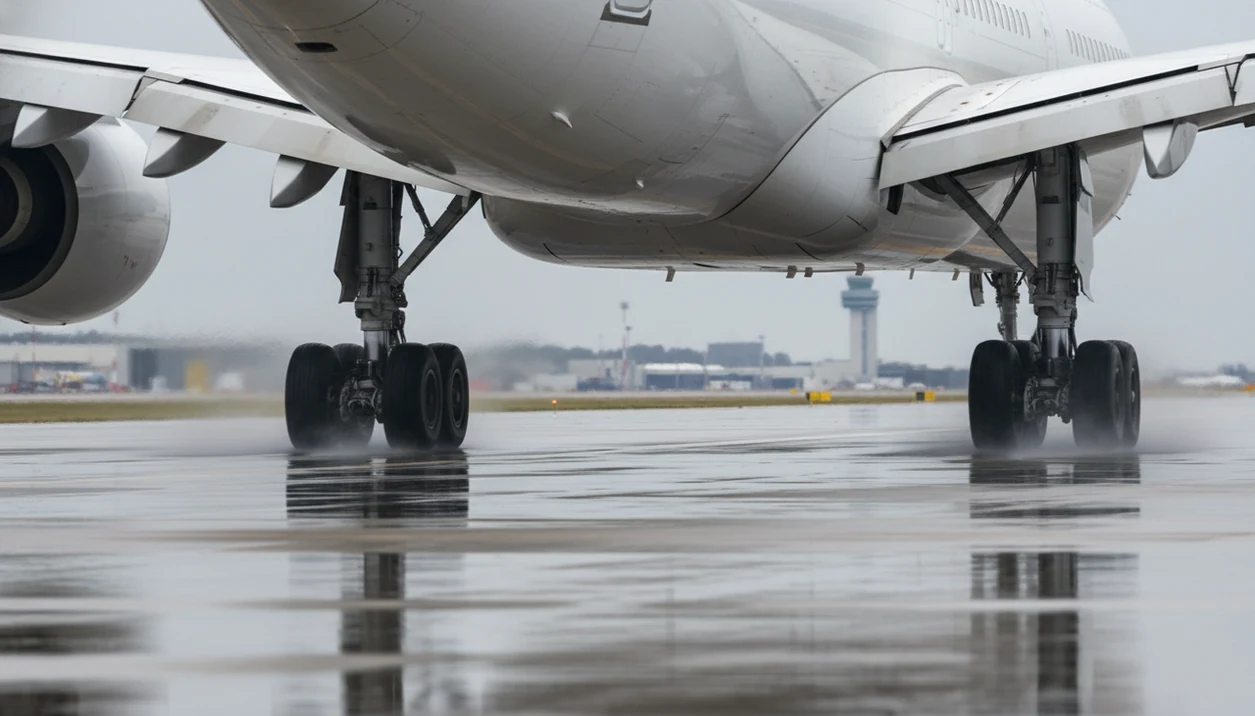
The loud late-flight sounds are usually landing preparation and stopping systems. Landing gear extension can sound like a thump, clunk, rumble, or vibration under the floor.
Flaps and slats may make whirs, hums, or slow mechanical sounds near the wings. They help the aircraft fly safely at lower landing speeds. Touchdown can bring bumps, tire chirps, braking rumble, and a loud engine roar from reverse thrust. Reverse thrust helps slow the aircraft after the wheels are on the runway.
None of that is elegant. It can sound industrial because it is industrial. If your stomach drops when the engines change or the runway appears close, the phase-by-phase guide to landing anxiety gives you a cleaner script for the last ten minutes.
Common Myths About Loud Normal Airplane Sounds
Loud airplane sounds often get misread because passengers hear the result, not the procedure behind it. A bang can feel like a verdict, but it usually needs a much less dramatic explanation.
| Myth | Reality |
|---|---|
| A loud bang means the engine failed. | It is often landing gear, cargo movement, runway joints, or normal mechanical movement. |
| Engine quietness means the plane is falling. | Pilots adjust thrust during climb, cruise, and descent. |
| Creaking means the plane is falling apart. | Cabin interiors and fittings are flexible and can move slightly. |
| Multiple chimes mean an emergency. | Most chimes are routine crew communication or passenger alerts. |
Engine sound changes are one of the most common fear triggers because they happen suddenly. The fuller explanation is in airplane engine noise changes, especially the quieter-after-takeoff moment.
Cabin Crew Signals for Smoke, Smells, Leaks, and Loose Items
Passengers cannot diagnose aircraft problems by sound alone. The better rule is simple: report clear observations, not fear-based guesses.
Tell cabin crew if you notice smoke, a burning smell, visible sparks, a visible fluid leak, a loose cabin item, a bag falling, or a sound paired with something visibly unsafe. You can say, “I heard a noise and noticed a burning smell near row 18.” That is useful. “The engine is failing” is not something a passenger can confirm from the cabin.
Speaking up is not overreacting. Crew can assess calmly, check the area, secure loose items, and communicate with the flight deck. Harmless uncertainty sounds like, “That was loud and I don’t know what it was.” Actionable observation sounds like, “That sound came with smoke.”
Five-Step Flight-Noise Coping Plan for Fear of Flying
Fear of flying is common; a Journal of Travel Medicine review reported that up to about 40% of people experience some degree of fear of flying, with a smaller group avoiding flights entirely (Journal of Travel Medicine). Clinicians commonly use CBT-style evidence checking and gradual exposure for persistent phobias, sometimes with medical support when symptoms are severe (NHS phobia treatment guidance).
Use normal sounds as practice cues:
- Name the sound: Say, “That was a thump,” or “That was engine power changing.”
- Identify the flight phase: Match it to taxi, takeoff, climb, cruise, descent, landing, or braking.
- State the normal explanation: Ask, “What else could this sound mean besides danger?”
- Breathe slowly: Put feet planted flat on cabin carpet and lengthen the exhale for one minute.
- Shift attention to a task: Set a timer for ten-minute intervals, start a playlist, or read one saved note.
Tools like Fear of Flying Guide can help you build a flight-day plan, but sound education does not replace CBT, exposure therapy, or medical care for severe fear. For long flights, fear of flying long haul needs extra pacing.
Limitations
No article can diagnose a specific aircraft issue from passenger-heard sound alone. Use this guide for orientation, not as a cockpit substitute.
- Noise patterns vary by aircraft model, engine type, seat location, airline procedure, airport surface, weather, and passenger sensitivity.
- Some rare abnormal situations can sound similar to normal operations.
- A familiar sound does not prove everything is normal.
- An unfamiliar sound does not prove danger.
- Passengers should follow crew instructions rather than internet checklists.
- Sound education may reduce anxiety, but it is not a substitute for professional treatment for severe aerophobia.
- If a sound comes with smoke, burning smell, visible damage, loose equipment, or fluid where it should not be, tell crew.
Your next five minutes matter more than solving the whole aircraft. Notice, label, breathe, and ask crew when there is something observable.
FAQ
Why do planes make thumping sounds?
Planes make thumping sounds from landing gear movement, runway joints, cargo movement, brakes, or normal mechanical operation. If a thump comes with smoke, a burning smell, or visible damage, tell cabin crew.
Why do airplane engines get quieter after takeoff?
Airplane engines often get quieter after takeoff because pilots reduce thrust from takeoff power to climb power. This is a normal power adjustment, not a sign that the engines stopped.
Are airplane chimes emergency alarms?
Airplane chimes are usually crew signals, seatbelt alerts, or routine cabin communication. Passengers are not expected to interpret every chime.
What is the whirring sound near the airplane wings?
A whirring sound near the wings is often flaps, slats, hydraulics, or electric motors moving wing surfaces. These sounds are common during takeoff and landing.
Why does the landing gear make a bang or clunk?
Landing gear can make a bang, clunk, rumble, or vibration when it retracts or extends. The sound is usually the gear moving into position.
Is rattling during turbulence normal?
Rattling during turbulence is common because panels, carts, trays, bins, and latches can move. The aircraft is designed to handle normal turbulence loads.
Why do planes roar after landing?
Planes may roar after landing because reverse thrust, braking, tire contact, and airflow are slowing the aircraft. The noise usually means stopping systems are working.
Are loud takeoff sounds normal?
Loud takeoff sounds are normal because engines use high thrust and the wheels are accelerating over the runway. Flaps, slats, and landing gear may also move during this phase.
Should I tell cabin crew if I hear a strange noise?
Tell cabin crew if a strange noise is paired with smoke, a burning smell, visible damage, a loose item, fluid, or sparks. A sound by itself cannot usually diagnose a problem.
Can learning airplane sounds help with flight anxiety?
Learning normal airplane sounds can support flight anxiety coping by reducing uncertainty and improving evidence checking. Fear of Flying Guide and FearOfFlying.com can help organize that learning, but severe anxiety may need CBT, exposure therapy, or medical support.