
Landing Anxiety: What Descent, Turns, Noises, and Touchdown Mean
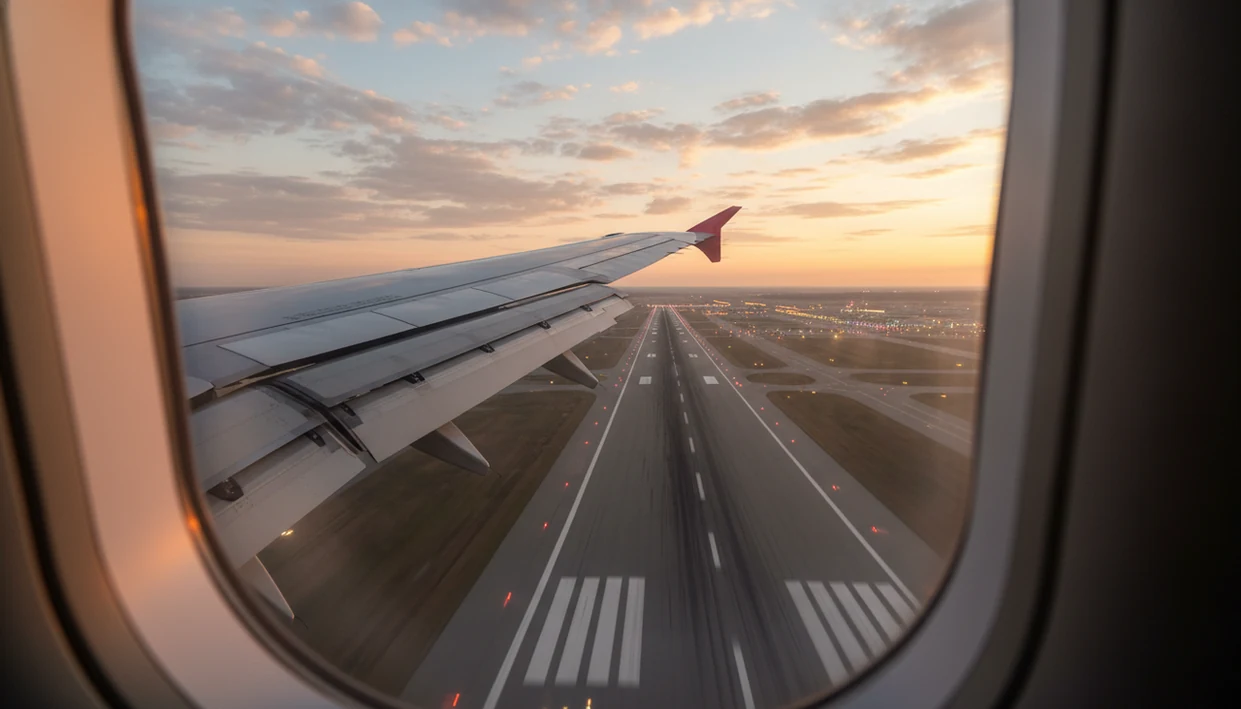
Landing anxiety usually comes from misreading normal descent sensations, aircraft sounds, turns, and body panic symptoms as danger. The most helpful approach is to understand what is happening during landing, then use slow breathing, grounding, and a short step-by-step descent plan before anxiety peaks.
Definition: Landing anxiety is a fear of flying pattern in which dread, panic, or loss-of-control feelings spike as the aircraft descends, configures for landing, and touches down.
TL;DR
- Descent noises, banking turns, flap movement, gear sounds, pressure changes, and firm touchdown can all be normal parts of landing.
- A racing heart, sweating, rapid breathing, nausea, trembling, and a sense of danger can be anxiety symptoms rather than signs of an unsafe flight.
- Use a prepared landing routine: name the phase, slow your breathing, ground through your senses, relax your muscles, and keep attention on a simple task.
Landing Anxiety Symptoms During Descent
Landing anxiety is fear, dread, or panic that rises during descent, even when takeoff and cruise felt manageable. It can show up only when the seat belt sign chimes, the engines change tone, or the ground starts looking closer.
Common symptoms include a racing heart, tense muscles, shortness of breath, nausea, sweating, trembling, bracing, and a strong feeling that something bad is about to happen. Dry mouth at the gate may be annoying; a clenched jaw during final approach can feel convincing.
These symptoms often reflect an anxiety response, not evidence that the aircraft is unsafe. The National Institute of Mental Health reports that anxiety disorders affect about 19.1% of U.S. adults each year and 31.1% at some point in life source. That does not mean every nervous flyer has a disorder. It means intense anxiety is common enough to deserve a plan, not shame.
Five Landing Anxiety Facts Nervous Flyers Should Know
- Landing anxiety can be part of fear of flying or a specific trigger. Some people relax during cruise, then tense up as soon as descent starts.
- Symptoms can feel intense but still be panic physiology. Rapid breathing, sweating, trembling, nausea, and danger feelings can come from the body’s alarm system.
- Normal landing cues include many sensations. Engine sound changes, flaps, landing gear, turns, pressure shifts, and touchdown bumps are expected parts of approach.
- Calming skills work better before the spike. Slow breathing, grounding, distraction, and muscle relaxation are easier to use before your brain has fully hit panic.
- Persistent fear may need more than willpower. CBT, gradual exposure, or professional help can be more useful than repeating “I’m fine” for the whole descent.
Pack this before you leave: one landing plan in your Notes app, not twelve screenshots you won’t read.
Before You Start: Prepare for Landing Anxiety Before Descent
Prepare for landing anxiety before the aircraft starts down, because final approach is a hard time to build a coping plan. The goal is to make the next steps obvious while your thinking brain is still online.
- Save one short plan before boarding, either in your phone notes or on a small card. Keep it to a few lines you can actually read when the cabin gets busy.
- Choose one anchor in advance, such as a breathing timer, a grounding object in your pocket, or a note card with your landing cues.
- Tell a travel companion what helps, if you are flying with someone. Ask for calm, brief reminders, and explain that repeated reassurance questions can keep the panic loop going.
- Avoid experimenting with new sedatives, alcohol routines, or supplements unless a clinician has advised you. A flight is not the place to test how your body reacts.
- Practice the plan once during cruise, before descent begins. Run through the breathing, grounding, cue-labeling, and shoulder release while anxiety is still low.
Landing Anxiety Brain and Body Mechanisms
How landing anxiety works: the brain’s threat system scans a high-attention phase of flight, then treats normal cues as warnings. In CBT language, this is catastrophic misinterpretation, which means “my stomach dropped” becomes “the plane is falling.”
During descent, your body may notice pressure in the ears, changes in speed, a sinking feeling, or muscle tension from sitting rigidly. The Mayo Clinic lists anxiety symptoms such as rapid breathing, sweating, trembling, nausea, and a sense of impending danger source. Those sensations match what many people report when the runway comes into view.
Reassurance helps briefly because it lowers uncertainty for a moment. However, if you keep checking every sound, the brain learns that landing needs constant surveillance. For specific phobias, clinical references commonly describe exposure-based CBT as a first-line treatment approach because it targets both fearful predictions and avoidance source.
Normal Landing Noises, Turns, and Touchdown Sensations
Many fear of landing triggers are normal aircraft events during descent and approach. The table below maps common cues to what they usually mean, so your next five minutes have labels instead of guesses.
| Landing cue | What it often means |
|---|---|
| Engine sound changes | Pilots adjust power during descent and approach, so the engine tone may rise, fade, or pulse. |
| Flaps or speed brakes | These surfaces help the aircraft slow down and configure for landing. |
| Landing gear thump | The gear extending can be loud, mechanical, and routine. |
| Banking turns near the airport | The aircraft may be aligning with runway approach, traffic patterns, or air traffic control routing. |
| Firm or bumpy touchdown | Touchdown can feel noisy or solid without meaning anything is wrong. |
For pilot-facing context on aircraft configuration, flaps, landing gear, and approach procedures, see the FAA Pilot’s Handbook of Aeronautical Knowledge source.
If engine changes are your main trigger, the separate guide to airplane engine noise changes can help you label them earlier. I’d use it before opening the airline app the night before a 6:40 a.m. flight.
Five-Step Landing Anxiety Descent Plan
Use this landing anxiety plan when the captain announces descent or you feel yourself start scanning the cabin. Make the plan boring on purpose, because panic likes improvisation.
- Set a cue. When descent is announced or the seat belt sign changes, say, “Landing phase, start the plan.”
- Slow your breathing. Inhale for four, exhale for six, and repeat for two minutes with a phone timer.
- Ground your attention. Press feet into the floor, notice your hands, feel the seat, and name three visible objects.
- Label aircraft cues. Say, “Flaps,” “gear,” “turn,” or “power change,” instead of arguing with the sensation.
- Reset after touchdown. Unclench your shoulders, exhale once, and notice, “Landing complete.”
The grounding list on a folded card works well here because it keeps you from hunting through tangled headphones at the bottom of the bag.
Common Fear of Landing Mistakes That Keep Panic Going
The biggest mistake is monitoring every engine sound, wing movement, and flight attendant expression as if you are part of the crew. That constant checking feels responsible, but it trains your brain to treat landing as a threat scene.
Bracing for impact is another trap. It tightens the chest, locks the stomach, and sends more danger signals back to the brain. Reassurance searching can do the same thing. One answer helps for ten seconds, then the fear asks for another.
Alcohol and sedatives are not first-line coping tools without medical guidance; alcohol can interact dangerously with many medications, including anxiety and sleep medicines source. Use a smaller loop instead: label the cue, breathe longer on the exhale, ground through the seat, and return to the plan. Tools like Fear of Flying Guide, SOAR, and Anxieties.com can support that practice, but the skill still has to be rehearsed before descent.
Landing Anxiety CBT and Gradual Exposure Treatment
Does breathing cure landing anxiety? Breathing and grounding can reduce distress during descent, but they may not cure persistent landing anxiety by themselves.
CBT helps by challenging catastrophic interpretations, such as “gear noise means danger,” and replacing them with more accurate landing-phase explanations. Gradual exposure means structured practice with feared cues, not forcing yourself onto flights without support. That might include listening to cabin sounds, watching approach videos, practicing airport visits, then taking planned flights.
In a large UK aviophobia survey, 54% of respondents reported fear of flying lasting more than 10 years, and 31% said fear made them avoid air travel entirely source. Avoidance is the key warning sign. For persistent landing anxiety, gradual exposure usually works better than reassurance alone because it teaches the nervous system that descent cues can be tolerated. A good nervous flyer guide should explain causes, treatments, coping strategies, and tools for nervous flyers, not just tell you to calm down.
Limitations
Self-help can make landing anxiety more manageable, but it has limits. Use these points as guardrails, especially if your fear is changing travel decisions.
- Breathing exercises can reduce distress, but they do not cure every fear of landing.
- Distraction and reassurance may not be enough for panic-level symptoms.
- Sedatives and alcohol are not first-line solutions and can create travel, safety, or functioning problems.
- Exposure works best when it is gradual and structured, not when someone says, “Just get on the plane.”
- Chest pain, fainting, severe breathing difficulty, or new medical symptoms should be evaluated by a clinician.
- This guide explains common landing sensations, but it cannot assess a specific flight or replace professional aviation or mental health advice.
Clinicians typically recommend CBT-style skills and exposure-based treatment when fear is persistent, impairing, or reinforced by avoidance. FearOfFlying.com can be one planning resource, but severe symptoms deserve individualized care.
FAQ
Why do landings scare me?
Landings can feel scary because normal descent sensations, uncertainty, turns, and touchdown noises may be interpreted as danger. The fear often comes from the brain’s alarm response, not from the aircraft operating abnormally.
Is landing anxiety common?
Landing anxiety is common among nervous flyers and can appear even in people who manage takeoff or cruise well. It does not automatically mean someone has a clinical anxiety disorder.
What causes descent anxiety?
Descent anxiety can be triggered by pressure changes, engine noise changes, banking turns, anticipation, and panic physiology. These cues can feel stronger when a passenger is already watching for danger.
Are landing noises normal?
Yes, many landing noises are normal, including flap movement, landing gear extension, engine power changes, and cabin sounds. Nervous flyers may find normal airplane sounds useful for labeling those cues.
Why do planes turn before landing?
Planes turn before landing to align with the runway, follow traffic patterns, or comply with air traffic control routing. Banking near the airport is a normal part of many approaches.
How can I calm landing panic?
Use longer exhales, press your feet into the floor, label normal aircraft cues, and release one tense muscle group at a time. A short plan from Fear of Flying Guide can help if you practice it before descent.
Can CBT help landing anxiety?
Yes, CBT can help persistent landing anxiety by challenging catastrophic thoughts and reducing avoidance. Gradual exposure can also retrain the fear response through structured practice.
Should I avoid flying?
Avoiding flights can strengthen fear because the brain never learns that landing cues can be tolerated. If avoidance is limiting work, family, or health decisions, structured support is usually a better next step.