
Is Turbulence Dangerous to Passengers or the Plane?
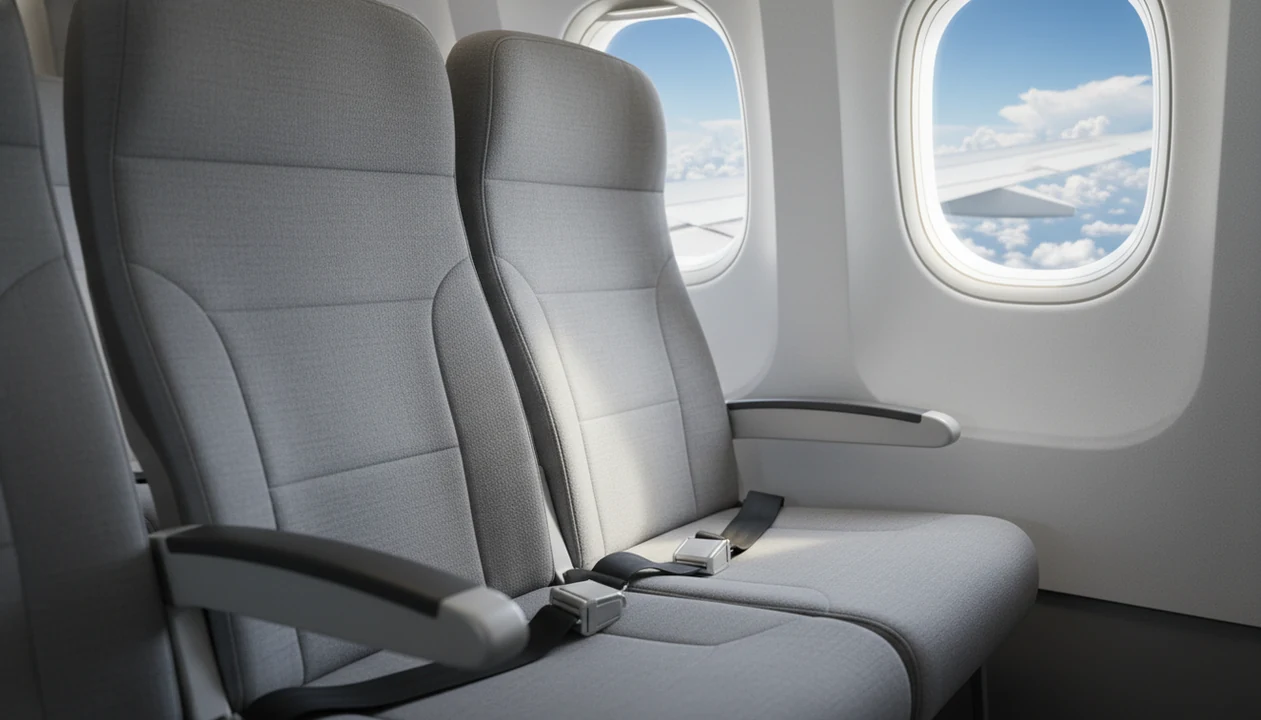
For nervous flyers asking “is turbulence dangerous,” the reassuring answer is that turbulence is uncomfortable and sometimes frightening, but it rarely threatens the aircraft. The main safety risk is injury to unbelted passengers or crew from sudden jolts, which is why keeping your seat belt fastened while seated matters.
> Definition: Turbulence is irregular air movement that makes an aircraft bump, shake, rise, or drop while it remains under normal pilot control.
- Turbulence is usually a comfort and anxiety problem, not an aircraft safety problem.
- The biggest passenger risk is being unbelted or hit by loose objects during sudden jolts.
- Modern airliners are certified with large structural safety margins and pilots are trained to manage turbulence.
Turbulence danger at a glance for nervous flyers
Turbulence is normal in airline flying and rarely dangerous to the aircraft. The danger of turbulence is mainly a cabin injury issue, especially for passengers standing, walking, or sitting without a fastened seat belt.
FAA reporting from 2009 to 2022 counted 163 serious turbulence injuries among passengers and crew, averaging about 12 per year across huge numbers of U.S. airline passengers (FAA turbulence safety summary: https://www.faa.gov/travelers/fly_safe/turbulence). That is why the seat belt advice is boring, but useful.
Boring helps.
Pilots may change altitude, adjust speed, or request a new route when the ride gets rough. That does not mean the plane is unsafe. It usually means the crew is reducing discomfort and lowering the chance that someone in the aisle, near a cart, or reaching into an overhead bin gets hurt.
How turbulence works in normal airline flight
Turbulence is choppy air, not a sign that the airplane is failing. A useful comparison is a car hitting uneven road while still steering normally in its lane.
Air can become uneven near weather systems, jet streams, mountains, thunderstorms, wake turbulence from another aircraft, or in clear-air turbulence where no clouds give it away. The aircraft responds to those shifting air currents, so you feel bumps, rolls, lifts, or brief sinking sensations.
The cabin can make small movements feel dramatic. Your stomach may read a quick altitude change as “dropping,” even when the instruments show the aircraft staying well within normal control limits. If that sensation is your main fear, the fuller explanation is in why does turbulence feel like dropping.
Phone switched to airplane mode, engines spooling, stomach arguing with facts. That moment is common.
Five turbulence safety facts passengers should know
- Turbulence almost never threatens modern airliner structure. It feels personal in the seat, but it is usually an atmospheric condition the aircraft is built to handle.
- Transport-category aircraft are certified with a 1.5 safety factor on limit loads. Under FAA transport-category rules, structure must support ultimate loads at least 1.5 times limit loads, which is one reason ordinary airline turbulence is not treated as a structural emergency (14 CFR §25.303: https://www.ecfr.gov/current/title-14/section-25.303).
- Most serious passenger injuries involve people not wearing seat belts. In a 2021 FAA study, over 79% of seriously injured passengers were unbelted at the time. If the 79% figure is retained, cite the exact FAA/CAMI study inline; otherwise use the FAA’s public turbulence injury summary here: https://www.faa.gov/travelers/fly_safe/turbulence.
- Severe turbulence can feel intense but still fits design and training assumptions. Pilots train for rough-air procedures and aircraft are not treated as fragile.
- Clear-air turbulence can be hard to predict, but belted passengers rarely suffer serious injury. The surprise is the hard part. The seat belt is the simple protection.
For a deeper single-question answer, can turbulence crash a plane covers the crash concern directly.
Passenger risk vs aircraft risk in turbulence safety
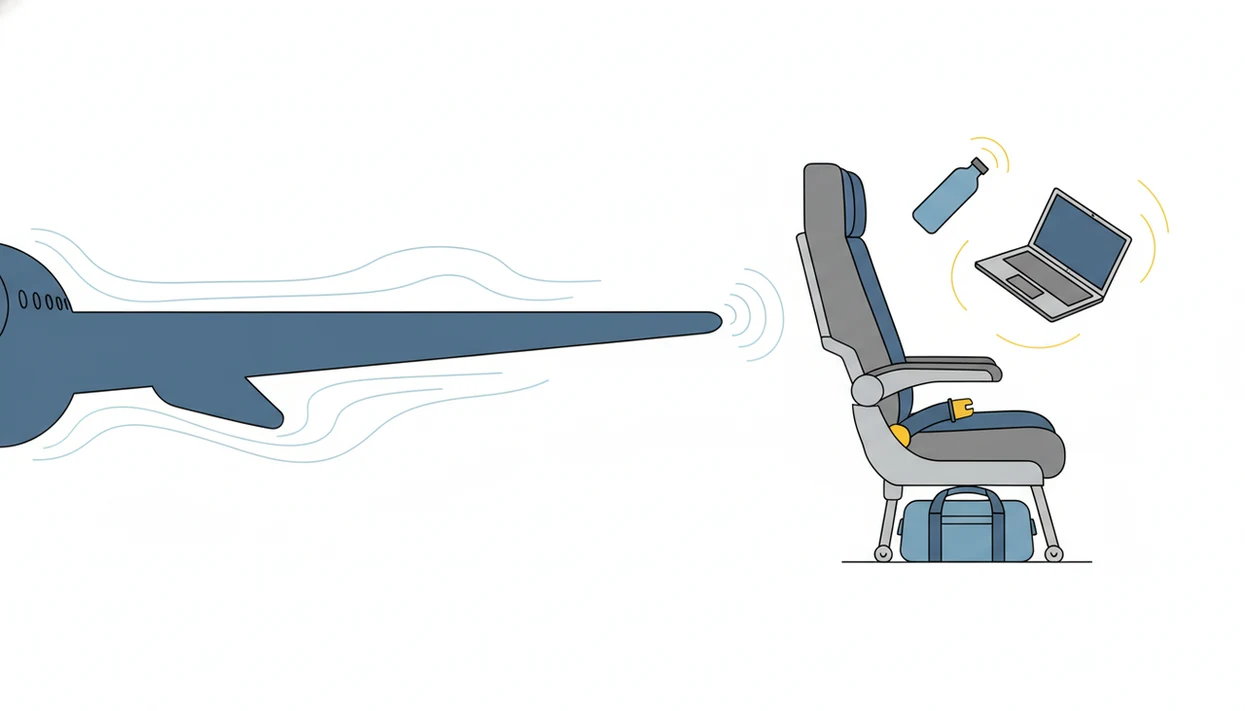
Turbulence safety makes more sense when you separate passenger risk from aircraft risk. The aircraft is designed for turbulence loads; the cabin is where sudden movement can injure people.
| Risk area | What the real risk is | Best safety action |
|---|---|---|
| Passenger risk | Being lifted from the seat, falling in the aisle, or being struck by loose objects | Keep your seat belt fastened while seated |
| Cabin crew risk | Working near carts, hot drinks, or unsecured service items during sudden jolts | Follow crew instructions when service pauses |
| Aircraft risk | Structural overload from normal airline turbulence is extremely unlikely | Let pilots manage speed, altitude, and routing |
The FAA’s 79% unbelted injury figure is the key practical detail. A cart paused in the aisle is not a sign the plane is in trouble. It is a sign the crew is reducing cabin risk.
For nervous flyers, keeping the belt low and loose while seated is often better than waiting for the sign because clear-air bumps can arrive without a visual warning.
Common turbulence myths that increase fear of flying
Turbulence myths grow fast because the body treats sudden motion as danger. Correcting the story in your head can reduce the second wave of panic.
- Myth: turbulence can rip the wings off. Modern airliner wings are designed to flex and withstand loads far beyond normal service conditions.
- Myth: a sudden drop means the plane is crashing. The drop often feels larger than it is because your inner ear reacts before your thinking brain catches up.
- Myth: pilots do not know turbulence is coming. Pilots use forecasts, radar, reports from other aircraft, air traffic control, and onboard information.
- Myth: turbulence means something is wrong with the aircraft. Turbulence is irregular air outside the plane, not a mechanical fault inside it.
If your fear locks onto bumps specifically, start with a focused fear of turbulence plan instead of rereading random flight stories at midnight.
Pilot procedures that reduce turbulence cabin injuries
Pilots, dispatchers, air traffic control, cabin crew, and onboard systems all help manage turbulence before and during flight. Forecasts, weather radar, pilot reports, and route planning can identify areas where the ride may be rough.
When turbulence appears, pilots may slow to a turbulence penetration speed. That speed is chosen to reduce stress on the aircraft and improve handling in rough air. They may also request a different altitude or route if smoother air is available.
The seat belt sign is part of the same safety chain. Cabin crew may secure carts, stop service, check lavatories, and sit down. Avoiding turbulence is partly about comfort and cabin injury prevention, not because the aircraft is weak. The operational side is explained further in how pilots handle turbulence.
Fear of flying tools for turbulence anxiety
Anxiety can be real even when the flight is safe. Your body may react to turbulence with dry mouth, a hot face, and the urge to text “I can’t do this” before the boarding group is even called.
Use a small flight-day plan. Keep your seat belt fastened loosely while seated. Put gum in the front pocket. Write a Notes app coping card that says: “This is choppy air. The plane is under control. My job is feet down, breathe out, name five blue things.”
Clinicians commonly use cognitive behavioral therapy and exposure-based approaches for specific phobias, sometimes with medical support when symptoms are severe (NCBI StatPearls, Specific Phobia: https://www.ncbi.nlm.nih.gov/books/NBK499923/). Facts help, but facts alone may not cure severe flight anxiety.
A good fear of flying resource should explain causes, treatments, coping strategies, and tools for nervous flyers, not promise instant calm from one trick. Tools like Fear of Flying Guide and FearOfFlying.com focus on evidence-based help, including CBT for fear of flying, breathing practice, and turbulence education.
When to seek professional help for fear of flying
Seek professional help when fear of flying is severe, persistent, or starts controlling your life. Turbulence facts can make the aircraft feel less mysterious, but they may not treat a specific phobia on their own.
Escalation signs include panic attacks before or during flights, vomiting from anxiety, avoiding air travel for important life events, or cancelling trips even when you want to go. If your symptoms keep returning despite coping tools, a licensed mental health professional can help you build a treatment plan, often using CBT, gradual exposure, or other evidence-based approaches.
- Notice whether the fear is occasional discomfort or a pattern that changes your choices.
- Talk with a licensed therapist, psychologist, psychiatrist, or primary care clinician if symptoms feel intense or hard to manage.
- Ask for medical advice before using sedatives, alcohol, or anti-anxiety medication for a flight, especially if you have other health conditions or take prescriptions.
- Use turbulence education as a safety anchor, not as the only treatment if your body still goes into alarm.
- Seek urgent support right away if anxiety includes thoughts of self-harm or not wanting to be alive.
Limitations
Turbulence is manageable, but it cannot be eliminated from flying. A trustworthy answer has to say what remains uncertain.
- Clear-air turbulence can arrive with little warning because it may occur without obvious clouds or storms.
- Passenger injury risk is low, but not zero.
- Standing passengers, unbelted passengers, children, and people with mobility issues may face higher cabin injury risk.
- Loose laptops, water bottles, bags, and service carts can become hazards during sudden jolts.
- Wind shear near takeoff and landing is different from ordinary cruise turbulence and can be more serious, though modern training and detection systems reduce the risk.
- Severe anxiety can persist even when the aircraft is safe.
- This article is not a substitute for airline crew instructions, medical advice, or mental health care.
If you are caring for a child or a panicking partner, make the plan boring on purpose: belt, water, short script, two-minute timer. No speeches at the gate.
FAQ
Can turbulence crash a plane?
Turbulence almost never causes a crash in modern airline operations. The main risk is cabin injury to unbelted passengers or crew.
Can turbulence break airplane wings?
Airplane wings are designed to flex and are certified with large structural safety margins. Turbulence that feels dramatic in the cabin is not usually close to those limits.
Is severe turbulence dangerous?
Severe turbulence can injure people who are unbelted, standing, or hit by loose objects. It is not usually structurally dangerous to a modern airliner.
Should I fear turbulence?
It is understandable to fear turbulence because the sensations are sudden and unpleasant. The fear does not mean the aircraft is in danger.
Where is turbulence worst?
Turbulence can feel stronger near the back of the aircraft because movement may be more noticeable there. No seat can guarantee a bump-free ride.
Is turbulence worse at night?
Turbulence is not automatically more dangerous at night. Darkness can make it feel scarier because you have fewer visual cues.
Can pilots avoid turbulence?
Pilots can often reduce turbulence using forecasts, radar, pilot reports, altitude changes, and air traffic control. They cannot avoid every area, especially clear-air turbulence.
Is clear-air turbulence dangerous?
Clear-air turbulence can be surprising because it may occur without visible storms. For seated passengers with seat belts fastened, it usually remains a low injury risk.
Does a seatbelt help turbulence?
Yes, a seat belt is the most effective passenger safety step during turbulence. Keep it fastened loosely whenever you are seated, even if the sign is off.