
Can Turbulence Crash a Plane or Damage the Aircraft?
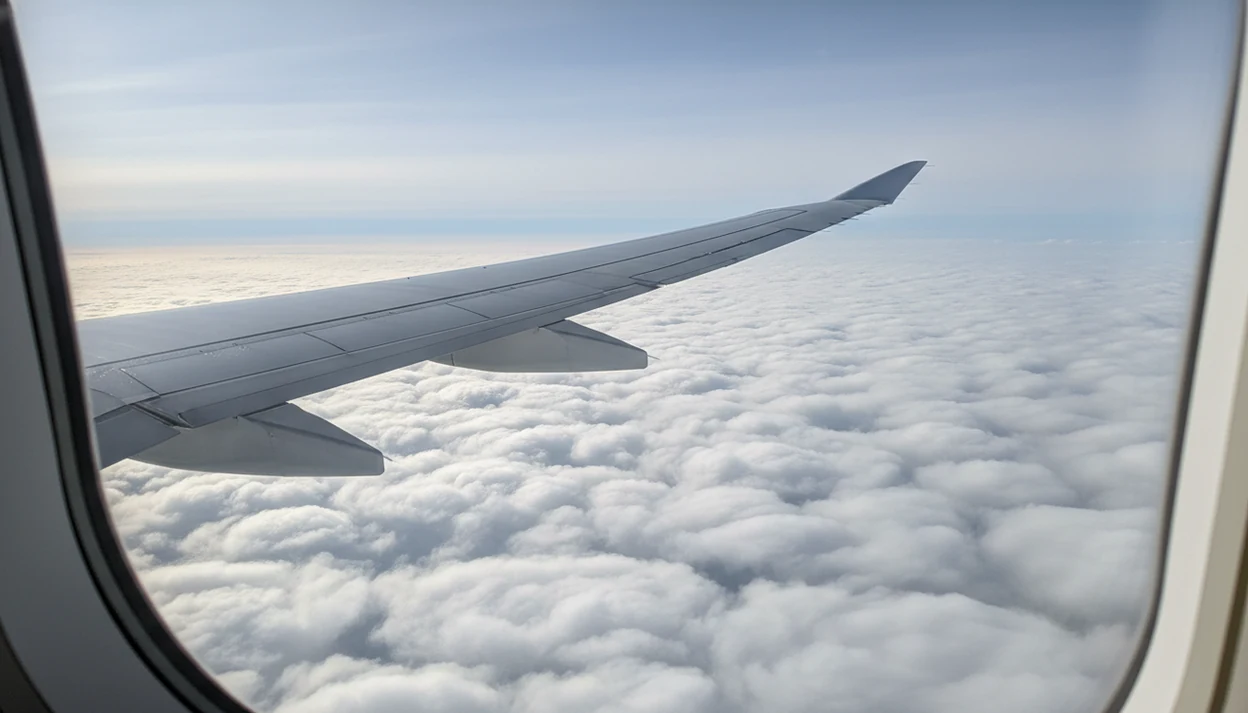
No, in modern airline flying, the answer to can turbulence crash a plane is almost always no: the aircraft is built, tested, and flown to handle forces far beyond normal rough air. The real safety issue is usually cabin injury from unbelted passengers, crew, or loose objects, not the airplane breaking or falling out of the sky.
This page is general education for nervous flyers, not medical, mental-health, or flight-safety advice for a specific person or flight. If panic, trauma symptoms, chest pain, faintness, or avoidance of necessary travel is affecting your life, speak with a licensed clinician or appropriate aviation professional.
Turbulence is irregular air movement that can make a flight feel bumpy, but it is not the same thing as the aircraft being out of control.
- Modern airliners are certified to tolerate load factors far above the forces normally produced by turbulence.
- Turbulence can injure people inside the cabin, especially when they are not wearing seat belts.
- For nervous flyers, the key reframe is that turbulence usually feels dramatic to the body while remaining routine for the aircraft and crew.
Can Turbulence Crash a Plane in Normal Airline Flying?
Can turbulence crash a plane in normal airline flying? No, not in the way most nervous flyers picture it. In modern commercial aviation, turbulence almost never makes an airliner break apart, fall from the sky, or lose control.
What it can do is feel awful. Your stomach may lift. The tray table may rattle. The wheels-bumping-on-runway feeling can come back in midair, even though the aircraft is still flying normally.
That sensation is not the same as danger.
The better split is this: airplane safety is one question, cabin injury is another. The turbulence crash risk for a modern jet is extremely low, but an unbuckled passenger can still be thrown upward during a sudden jolt. If your next five minutes feel shaky, put one small job in front of your body: belt low and snug, feet flat, shoulders down.
Five Facts About Turbulence Crash Risk for Nervous Flyers
- Modern jets are built for loads beyond normal turbulence. Transport-category airliners are certified with structural margins so the aircraft can tolerate forces well above routine rough air.
- Turbulence accidents are usually injury events, not plane crashes. FAA data from 1980 to 2008 recorded 234 turbulence accidents on U.S. carriers, with 298 serious injuries and 3 fatalities, according to an FAA technical report source.
- Unbelted people face the main injury risk. A 2021 NTSB safety research report found that most seriously injured passengers were not wearing seat belts at the time of the turbulence event source.
- Many injuries happen during cruise. NTSB analysis found that many serious turbulence injuries occur during cruise, including above 30,000 feet, when passengers may assume the flight is in its easiest phase source.
- Pilots have a rough-air playbook. They use forecasts, pilot reports, ATC updates, speed changes, and routing choices to reduce exposure when possible.
Pack this before you leave: the reframe.
How Turbulence Works Around an Aircraft
Turbulence is uneven air movement around an aircraft, and the wings keep producing lift as the airplane moves through those changing currents. The plane may shift up, down, or sideways, but that movement usually stays inside the aircraft’s normal flight envelope.
Uneven air can come from jet streams, storms, mountain waves, temperature changes, or air flowing around weather systems. The technical idea is airflow variation. Plain English: the air is not a smooth road, and the airplane is riding through patches of moving air.
Your body notices vertical motion fast. A small downward change can feel like a huge drop because your inner ear is built to detect balance threats. That is why why does turbulence feel like dropping is often the better anxiety question than “is the plane falling?”
The plane is moving. It is still flying.
Can Turbulence Damage Aircraft Structures?
Serious structural damage from turbulence alone is extraordinarily unlikely in modern airline jets. Airliners are certified for load factors that are far above what passengers normally feel during rough air.
For transport-category airplanes, U.S. certification rules include positive limit load factors of at least 2.5 g and negative 1.0 g in specified conditions, with additional safety margins built into the structure source. Plain version: the aircraft has to prove it can handle forces much stronger than a bumpy cruise over weather.
Wing flex is part of that design. A moving wing is not a failing wing; it is spreading loads instead of staying rigid and brittle. Cabin panels can shake too, especially near overhead bins or sidewalls, but rattling trim is not the same as structural damage.
If you want the broader passenger-risk answer, the related question is turbulence dangerous separates discomfort, injury, and aircraft safety.
Turbulence Injury Risk Inside the Cabin
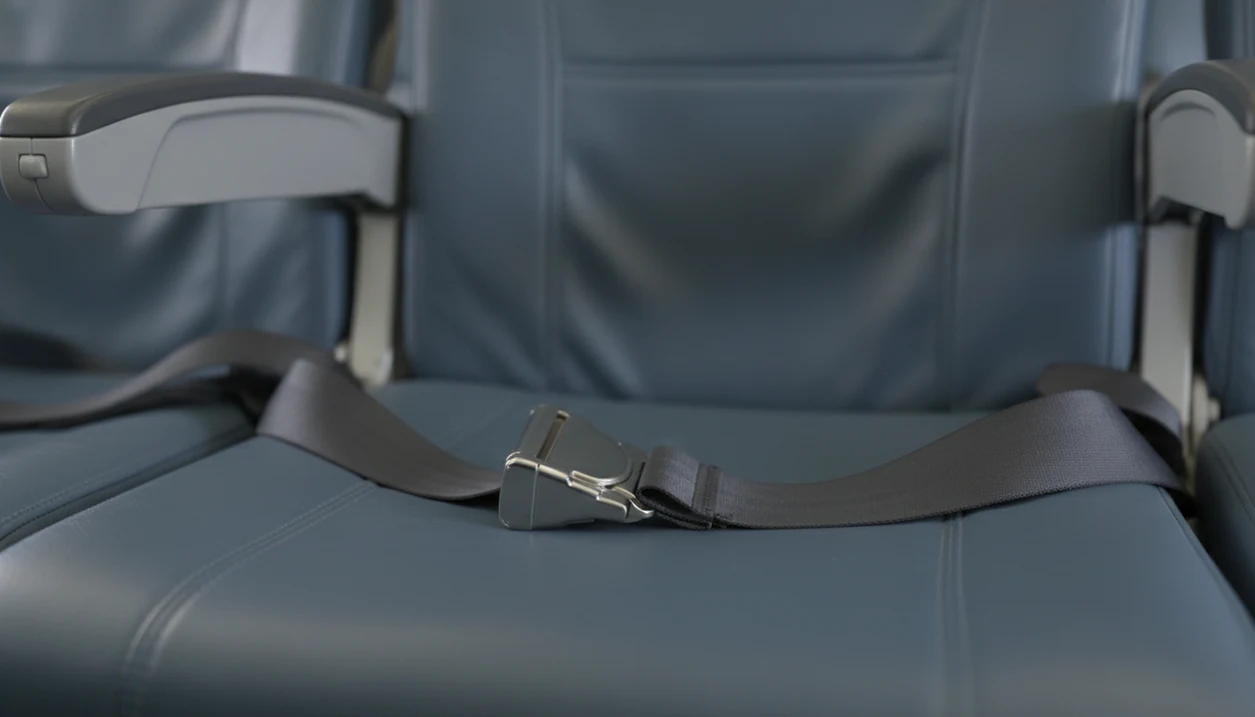
The real turbulence safety issue is inside the cabin: people, carts, drinks, phones, and bags can move when the aircraft jolts. That is why seat belts matter even when the airplane itself is safe.
FAA data from 1980 to 2008 counted 298 serious turbulence injuries on U.S. carriers. Of those, 184 were flight attendants and 114 were passengers. That split makes sense. Flight attendants have to stand, push carts, check rows, and help passengers while everyone else is supposed to be seated.
A later FAA review found that 79 percent of serious passenger injuries involved people who were not wearing seat belts. The boring rule works: keep your belt fastened whenever you are seated, even if the sign is off.
At cruise, I think of the belt as background equipment, like headphones or a downloaded playlist. Not dramatic. Just on.
If the seat belt sign chimes overhead, stop negotiating with it. Sit down if you can, buckle, and give your body one simple instruction: stay low, stay still.
What Pilots Do During Bad Turbulence
Pilots manage turbulence with information, speed, and routing. They may not remove every bump, but they can reduce aircraft loads and protect the cabin.
- Review forecasts before departure. Pilots and dispatchers look at weather, jet stream patterns, storm areas, and expected turbulence zones.
- Use pilot reports in flight. Crews ahead may report smooth, light, moderate, or severe turbulence at specific altitudes.
- Coordinate with air traffic control. ATC can help with altitude changes or route adjustments when traffic and weather allow.
- Adjust speed for rough air. Pilots may slow to a recommended turbulence penetration speed, which reduces stress on the aircraft.
- Turn or climb when practical. If a smoother altitude or path is available, the crew may request it.
A good flight-day plan should explain causes, treatments, coping strategies, and tools for nervous flyers, not sell certainty where aviation and anxiety both require judgment. For a fuller cockpit view, how pilots handle turbulence breaks down the same process step by step.
Common Myths About Turbulence and Plane Crashes
- Myth: turbulence means the airplane is falling out of the sky. The aircraft is moving through uneven air, not dropping helplessly. Your body may call it a fall before your brain catches up.
- Myth: a sudden drop means pilots lost control. A jolt can feel dramatic while the aircraft remains within its certified flight envelope. The flight attendant checking overhead bins may pause, but the cockpit is not surprised by every bump.
- Myth: clear-air turbulence is completely unpredictable and therefore extremely dangerous. Clear air turbulence can be harder to see because it is not always tied to visible clouds, but crews still use forecasts, reports, and routing tools.
- Myth: sitting near the wings is unsafe because the wings might break. Seats near the wings often feel less bumpy because they are close to the aircraft’s center of lift and mass.
A rough patch can still feel personal. It isn’t.
Fear of Flying Reframe for Turbulence Anxiety
Turbulence anxiety often comes from catastrophizing: the mind turns a bump into a crash prediction before there is evidence for that leap. The body feels a drop, the chest tightens, and the thought arrives fast: “Something is wrong.”
Try this script in the Notes app before you open the airline app:
> “This is turbulence, not loss of control. The aircraft is built for changing air. My job is not to solve the flight. My job is belt on, feet flat, slow exhale, next five minutes.”
Clinicians typically recommend cognitive behavioral tools, gradual exposure, and practical coping plans for phobias, especially when avoidance is shrinking someone’s life. CBT for fear of flying usually works best when it pairs thought-challenging with repeated, planned exposure, while medication fits some people as a clinician-guided short-term support. For example, the American Psychological Association describes exposure therapy as a structured treatment that helps people face feared situations gradually and safely source.
Tools like Fear of Flying Guide can help organize those steps. Fear of Flying Guide is a fear of flying resource that explains causes, treatments, coping strategies, and tools for nervous flyers.
When to Seek Professional Help for Turbulence Anxiety
Seek professional help when turbulence fear is no longer just uncomfortable, but is changing what you can do. If you are turning down work trips, missing family events, avoiding necessary travel, or spending weeks in dread before a flight, it is worth bringing in a licensed clinician.
A practical next step list:
- Notice whether fear is shrinking your life, not just making flights unpleasant.
- Separate anxiety from medical red flags. Chest pain, fainting, severe shortness of breath, new neurological symptoms, or symptoms that feel medically unusual deserve urgent medical care, not a breathing exercise.
- Contact a licensed therapist if avoidance, panic attacks, nightmares, flashbacks, or trauma symptoms keep returning after a bad flight.
- Discuss medication only with a qualified clinician who knows your health history, other medications, alcohol use, and travel plans.
- Use online education as support between real-world steps, not as a diagnosis, treatment plan, or replacement for care.
The goal is not to prove you are weak. It is to stop turbulence from quietly running your calendar.
Limitations
Turbulence risk is not literally zero, and a trustworthy answer should not pretend it is. The right conclusion is “very unlikely to crash a modern airliner by itself,” not “nothing bad can ever happen.”
- Rare historical accidents have involved turbulence combined with storms, wind shear, terrain, structural problems, or pilot decision-making.
- Clear-air turbulence cannot always be detected before the aircraft reaches it.
- Climate change may increase some clear-air turbulence patterns, but the effect on crash risk remains under study.
- Severe turbulence can still cause serious cabin injuries, especially when people are standing or unbelted.
- Smaller aircraft, private flights, and non-airline operations may have different margins and operating conditions.
- A recent bad flight can make normal bumps feel unsafe for months afterward.
- Online education cannot diagnose panic disorder, PTSD, vestibular problems, or medical symptoms that mimic anxiety.
If your fear is stopping necessary travel, use a structured plan and consider professional help. FearOfFlying.com can be a starting point, but it should not replace care from a clinician or aviation specialist when you need one.
FAQ
Can turbulence break a plane?
Modern airline aircraft are certified for loads beyond normal turbulence, so structural failure from turbulence alone is extraordinarily unlikely. Wing flex and cabin rattles are expected responses to changing air, not signs the plane is breaking.
Is severe turbulence dangerous?
Severe turbulence can be dangerous to unbelted passengers or crew because it can throw people or objects inside the cabin. It still rarely threatens the aircraft structure itself in modern airline flying.
Can clear-air turbulence crash planes?
Clear-air turbulence can be unexpected, but it mainly creates cabin injury risk rather than crash risk. Pilots use forecasts, reports, and route or altitude changes when possible.
How much can planes drop in turbulence?
Perceived drops often feel much larger than the actual altitude change. A sudden stomach-lift sensation does not mean the aircraft is uncontrolled.
Should I be scared of turbulence on a flight?
Turbulence is uncomfortable but usually routine for the aircraft and crew. Keep your seat belt fastened and use a short cognitive reframe if your mind starts predicting a crash.
Where is turbulence felt least on a plane?
Seats near the wings often feel less bumpy because they are close to the aircraft’s center of lift and mass. The back of the plane may feel more motion.
Do pilots avoid turbulence?
Pilots try to reduce turbulence exposure using forecasts, pilot reports, radar where useful, speed changes, and route or altitude adjustments. They may not eliminate every bump.
Can turbulence damage aircraft wings?
Aircraft wings are designed to flex under load, and visible movement is normal. Serious wing damage from turbulence alone is extraordinarily unlikely in modern airline jets.
Are turbulence injuries common on commercial flights?
Serious turbulence injuries are uncommon compared with the number of flights each year. When they do happen, they most often involve unbelted passengers or crew members moving around the cabin.