
Flight Anxiety Medication: Questions to Ask a Clinician Before You Fly

Flight anxiety medication can sometimes be considered for severe flying distress, but it should only be discussed with a qualified clinician because sedatives, alcohol, sleep aids, long flights, and medical history can change the risk. The safest plan usually treats medication as one possible short-term adjunct, not a replacement for fear-of-flying therapy, exposure work, and practical coping skills.
> Definition: Flight anxiety medication means clinician-directed medicine considered for fear of flying symptoms before or during air travel, including prescription sedatives, non-sedating anxiety treatments, or other options that require individualized medical assessment.
TL;DR
- Do not trial a new sedative, sleep aid, or anxiety medicine for the first time on a flight.
- Benzodiazepines are commonly requested as flying anxiety pills, but they can impair memory, coordination, reaction time, and carry dependence risks.
- CBT, exposure-based treatment, aviation education, breathing, and grounding skills are the main long-term tools for fear of flying.
Flight Anxiety Medication at a Glance
Flight anxiety medication usually means a clinician-reviewed medicine plan for severe fear before or during a flight. It may reduce symptoms for a few hours, but it does not teach your brain that flying is safe.
This page does not provide dosing, prescribing instructions, or individualized medical advice. Bring the question to a doctor, psychiatrist, prescribing nurse, or pharmacist who can review your history. That matters if your fear overlaps with panic disorder, claustrophobia, trauma, generalized anxiety, or a specific phobia.
Fear of flying is common enough that clinicians recognize the pattern. In a large U.S. survey, 12.5% of adults met criteria for a specific phobia at some point in life, and flying is a common situational phobia. For prevalence context, the National Institute of Mental Health reports a 12.5% lifetime prevalence of specific phobia among U.S. adults: https://www.nimh.nih.gov/health/statistics/specific-phobia.
A pill may quiet the alarm. It doesn't retrain it.
If your boarding pass is already sitting in Apple Wallet and you're refreshing the airline app at 10:47 p.m., start with a plan, not a guess.
How Flight Anxiety Medication Works in the Body
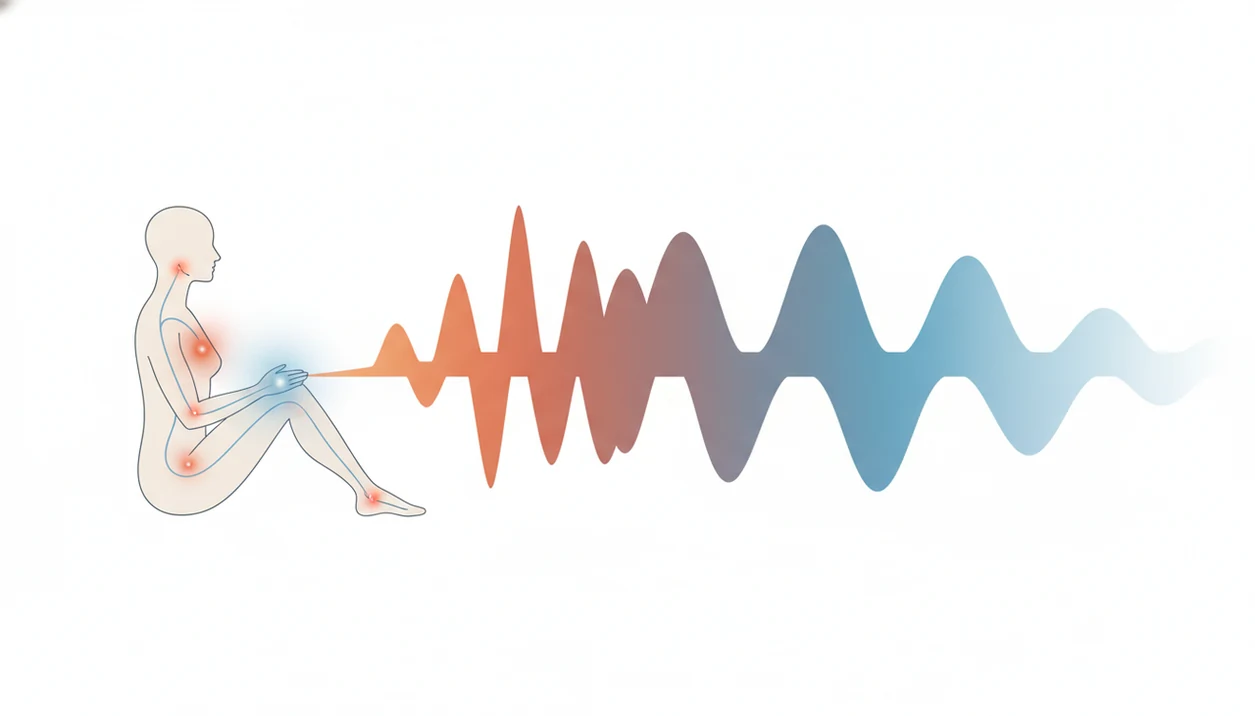
Fast-acting sedatives may dampen nervous system arousal, panic sensations, and anticipatory anxiety. In plain language, they can turn down the body’s alarm volume for a limited time.
Some medicines act on neurotransmitter systems involved in arousal and inhibition. Benzodiazepines, for example, enhance GABA activity, which can feel calming but may also affect alertness, memory, balance, breathing, and reaction time. Other drug classes work differently, so a clinician has to assess the person, the flight, and the risks.
Sedation is not the same as fear extinction. Fear extinction means the brain learns, through repeated safe exposure, that the trigger is not dangerous. That learning usually comes from CBT, exposure work, and repeated practice, not from being too sedated to fully process the flight.
Clinicians typically recommend matching treatment to the diagnosis, medication history, substance use risk, and travel demands. The most common medically supported way to reduce long-term phobic fear is exposure-based therapy combined with practical coping skills.
Five Facts About Flying Anxiety Pills
- Diazepam, lorazepam, temazepam, and clonazepam are among the commonly requested benzodiazepines for flying anxiety. People often ask for “something like Valium,” but a request is not the same as a safe prescription.
- Some prescribing guidance says benzodiazepines are inappropriate for mild short-term anxiety and contraindicated for phobic states. Local policies vary, and some practices now decline routine sedative prescriptions for fear of flying.
For UK prescribing context, NICE's BNF treatment summary for hypnotics and anxiolytics advises that benzodiazepines are not appropriate for mild short-term anxiety and should not be used to treat phobic states: https://bnf.nice.org.uk/treatment-summaries/hypnotics-and-anxiolytics/.
- Benzodiazepines can cause clinically relevant psychomotor impairment. That can mean slowed reaction time, reduced coordination, memory gaps, or poorer judgment when you still need to navigate the airport.
The FDA warns that benzodiazepines can cause abuse, addiction, physical dependence, withdrawal reactions, and serious risks when combined with opioids or other depressants: https://www.fda.gov/drugs/drug-safety-and-availability/fda-requires-boxed-warning-updated-improve-safe-use-benzodiazepine-drug-class.
- Benzodiazepines are associated with dependence and withdrawal risks, especially with repeated use. A medicine used “just for flights” can become a pattern if travel increases.
- Exposure-based therapies show large effects for specific phobia symptoms and are generally preferred for long-term change. A 2023 meta-analysis found large effect sizes for phobic anxiety reduction, which supports therapy as the core plan.
The pocket check is real: passport, gum, phone, medicine, doubt.
Medication for Fear of Flying Questions to Ask a Clinician
What should I ask a clinician about medication for fear of flying? Ask questions that test safety, diagnosis, and what happens after the flight, not just which pill might calm you fastest.
Use this appointment script:
- Describe your symptoms. Say whether you get panic attacks, nausea, shaking, claustrophobia, intrusive memories, or fear of losing control.
- Review your medical risks. Ask about pregnancy, sleep apnea, asthma, COPD, liver disease, age-related fall risk, or breathing concerns.
- List every substance and medicine. Include alcohol, cannabis, opioids, sleep aids, antihistamines, supplements, and previous bad reactions.
- Disclose dependence history. Mention substance use history, withdrawal symptoms, or needing higher doses of any sedating medicine before.
- Ask about functioning. Could it impair airport navigation, safety instructions, childcare, connection decisions, emergency response, or onward driving?
- Start non-medication treatment. Ask what CBT, exposure, aviation education, or body skills you should practice before the trip.
If you’re likely to text “I can’t do this” from the gate, put that exact moment in the plan.
When to Seek Medical Help Before Flying
Seek medical help before flying when symptoms feel medically unsafe, are escalating, or could make the trip unsafe for you or others. Chest pain, fainting, or severe trouble breathing should be treated as urgent, not as “just anxiety.”
For non-urgent but serious planning, book a clinician review if panic attacks are becoming more frequent, trauma memories are showing up around travel, or avoidance is shrinking your life. Also ask before flying if you are pregnant, older, or managing sleep apnea, COPD, or another breathing condition. Medication choices change when oxygen, sedation, balance, or reaction time matter.
A simple safety plan can look like this:
- Treat red flags urgently. Get same-day emergency help for chest pain, fainting, blue lips, severe shortness of breath, or confusion.
- Book review early. Give your clinician time to assess panic, trauma, medical risks, and any previous medication reactions.
- Name every depressant. Ask before combining alcohol, opioids, cannabis, sleep aids, or sedating antihistamines with anxiety medicine.
- Plan your responsibilities. Arrange extra support if you must drive after landing, care for children, manage bags, or make tight connections.
- Write the gate plan. Decide who you will call, what you will practice, and when you will ask staff for help.
Prescription Flight Anxiety Medication Options Clinicians Discuss
Prescription options for fear of flying are not interchangeable. Clinicians may discuss different categories depending on diagnosis, health risks, timing, and whether anxiety exists outside flying.
| Option type | Why it may be discussed | Key cautions | Role in a broader plan |
|---|---|---|---|
| Benzodiazepines | Commonly requested for acute panic or severe anticipatory anxiety | Sedation, memory impairment, coordination problems, dependence, policy restrictions | Riskier and not routine; if considered, it needs individualized review |
| Sedating antihistamine-type medicines or hydroxyzine | Sometimes discussed when sedation is desired without a benzodiazepine | Drowsiness, dry mouth, confusion, next-day impairment | May be an adjunct, not a fear-learning treatment |
| Beta blockers | May reduce racing heart, tremor, or performance-type physical symptoms | Not suitable for everyone; can affect blood pressure, heart rate, asthma symptoms | Fits selected physical symptoms, not core phobic fear for everyone |
| Antidepressants | Relevant when anxiety, panic disorder, depression, or symptoms continue beyond flights | Usually not a one-flight fix; side effects and timing matter | Part of ongoing care when flying fear is one piece of a wider pattern |
For some readers, beta blockers for flight anxiety are a separate clinician discussion because they target body symptoms more than fear predictions.
Sedatives, Alcohol, and Sleep Aids on Long Flights
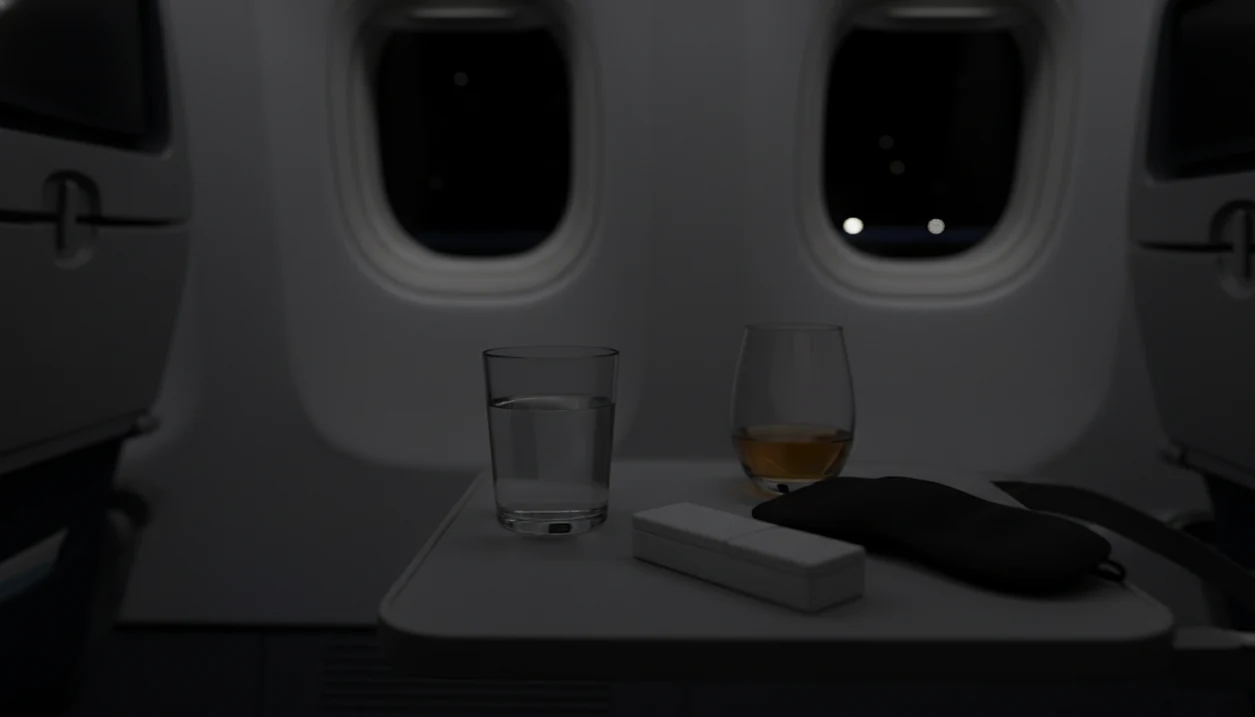
Do not mix sedatives, alcohol, opioids, cannabis, or sleep aids before flying unless a clinician has explicitly said that combination is safe for you. “I’ll just have one drink to help it work” is a risk multiplier, not a coping plan.
An airplane is a poor place to trial a new psychoactive medicine. If you become oversedated, agitated, confused, or unsteady, you cannot step into your own bed and wait it out. You may also face memory gaps, falls, poor judgment during turbulence, impaired evacuation, or next-day fog.
Long flights add practical problems: dehydration, limited movement, jet lag, layovers, border questions, and onward driving. Nervous flyers need coping strategies that keep them alert enough to follow crew instructions. The specific alcohol risks are covered more deeply in alcohol and flight anxiety medication.
Think beyond takeoff. Think baggage claim at midnight.
Common Myths About Flight Anxiety Medication
- Myth: A one-off pill like Valium is harmless for anyone. Benzodiazepines are controlled medicines with sedation, impairment, interaction, dependence, and withdrawal risks.
- Myth: Severe fear means guidelines recommend benzodiazepines. Some prescribing guidance discourages benzodiazepines for phobic states, even when the fear feels intense.
- Myth: Sedation always makes flying safer. A very sedated passenger may struggle to follow safety instructions, manage a child, move through a connection, or respond quickly.
- Myth: Medication can replace CBT, exposure, and aviation safety education. Medication may reduce symptoms temporarily, but it does not explain turbulence, retrain avoidance, or build flight confidence.
- Myth: Over-the-counter products are automatically safer than prescription medicines. OTC sleep aids and sedating antihistamines can still cause confusion, dry mouth, falls, and next-day impairment.
A good fear-of-flying resource should explain causes, treatments, coping strategies, and tools for nervous flyers, not push one pill or one calming trick.
Non-Medication Fear of Flying Treatment Plan
CBT and exposure-based approaches are the main long-term treatments for fear of flying. A 2023 meta-analysis of specific phobia treatments found large effects for exposure-based treatment, which supports psychological care over routine sedative reliance. A peer-reviewed review of exposure-based treatments for specific phobias is indexed by PubMed here: https://pubmed.ncbi.nlm.nih.gov/.
A practical plan may include aviation education, turbulence education, interoceptive exposure, graded airport exposure, a short practice flight, breathing, grounding, and values-based travel goals. Interoceptive exposure means practicing feared body sensations, such as a racing heart, so they feel less dangerous. Not fun. Useful.
Skills should be rehearsed before the airport. Practice with a two-minute phone timer, a downloaded playlist, and a Notes app coping card before you open the airline app. If your hardest moment is the engine spool before takeoff, pair education with breathing exercises for flight anxiety.
Tools like Fear of Flying Guide can help nervous flyers organize those steps without replacing clinical care. FearOfFlying.com also keeps medication inside a wider recovery pathway.
Limitations
This guide cannot determine whether you should take a medicine before flying. That decision needs a clinician who can review your health history, current medicines, and travel details.
- Evidence for many non-benzodiazepine medicines in isolated flight phobia is limited.
- Some benzodiazepine use for flying is off-label or discouraged by local prescribing policies.
- Medication risks vary by age, pregnancy, sleep apnea, lung disease, liver disease, substance use history, other prescriptions, and flight length.
- A medicine that helped once can still cause impairment, tolerance, dependence, or withdrawal with repeated use.
- Online services cannot safely replace a clinician who checks interactions and contraindications.
- Airline, country, and controlled-drug rules may affect traveling with medication.
- Long-haul flights add layovers, dehydration, immobility, jet lag, and onward driving decisions.
If you use Fear of Flying Guide alongside medical care, treat it as education and planning support. For seat-level panic tools, grounding techniques on plane can be practiced without adding medication risk.
FAQ
What helps flight anxiety fast?
Slow breathing, grounding, a simple if-then script, and reducing last-minute uncertainty can help quickly. Medication decisions need clinician input, especially if sedatives or sleep aids are involved.
Can doctors prescribe flying anxiety pills?
Some clinicians may discuss medication for fear of flying, but many avoid routine sedative prescriptions. Policies vary, and non-medication treatment is often recommended first.
Is diazepam used for flying?
Diazepam is commonly requested for flying anxiety, but it has safety, impairment, dependence, and prescribing-policy concerns. A clinician must decide whether it is appropriate for an individual patient.
Is Xanax safe before flying?
Alprazolam-type benzodiazepines require individualized medical guidance and can impair alertness, memory, coordination, and judgment. More detail is covered in Xanax for fear of flying.
Can I drink with anxiety medication?
Alcohol can dangerously increase sedation and impairment with many anxiety medicines. Do not combine them unless a clinician has explicitly told you it is safe.
Can I take sleeping pills while flying?
Sleep aids can be risky on flights, especially if they are new to you, combined with alcohol, or followed by driving. They can cause confusion, falls, oversedation, or next-day impairment.
Is hydroxyzine used for flight anxiety?
Clinicians sometimes discuss sedating antihistamine-type options such as hydroxyzine. They still require safety review because sedation, interactions, and next-day effects can occur.
Do beta blockers help flying anxiety?
Beta blockers may help some physical symptoms, such as tremor or a racing heart. They do not treat the full phobic fear pattern for everyone.
What if medication does not work for flight anxiety?
Reassess the diagnosis, triggers, and treatment plan with a clinician. CBT, exposure work, aviation education, and practiced coping skills are usually the next steps.
Can therapy replace flight anxiety medication?
Exposure-based therapy and CBT are the main long-term treatments for fear of flying. They may reduce reliance on medication by changing avoidance and threat learning over time.