
Alcohol And Flight Anxiety Medication: Why Mixing Is Risky
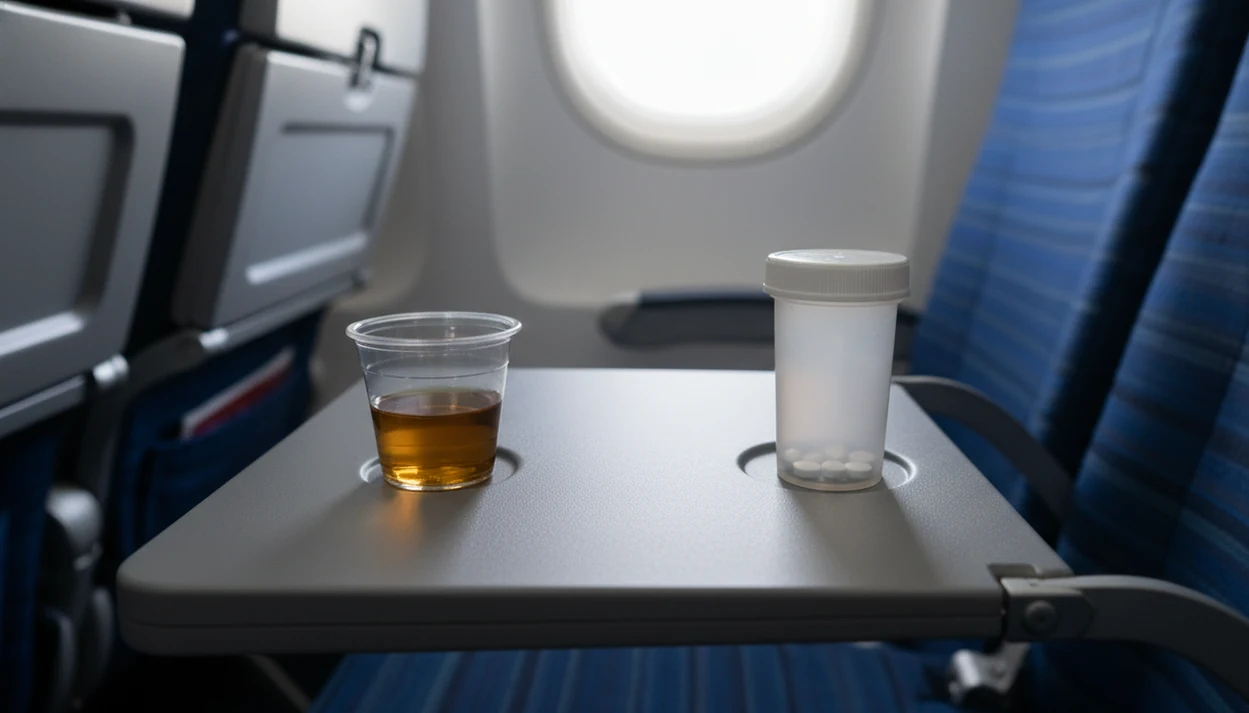
Alcohol and flight anxiety medication should not be mixed because alcohol can intensify sedation, impair coordination, and increase breathing risks when combined with drugs such as Xanax, Valium, diazepam, Ambien, or other sedatives. If you are prescribed medication for flying anxiety, follow your prescriber’s instructions and avoid using alcohol as a backup coping strategy.
This article is for general education only. It cannot tell you whether your specific medication, dose, alcohol use, or medical history is safe for air travel; ask your prescriber or pharmacist before your trip.
> Definition: Alcohol and flight anxiety medication refers to the risky combination of drinking before or during a flight while taking sedating medicines used for fear of flying, including benzodiazepines, sleep aids, and some other anxiety medications.
TL;DR
- Alcohol and sedating flight anxiety medication can both slow the brain and nervous system, making the combination more impairing than either one alone.
- Drinking with Xanax flying is especially risky because benzodiazepines and alcohol can deepen sedation, reduce breathing drive, and make it harder to wake or respond.
- Safer flight anxiety help focuses on medical guidance, CBT-based tools, breathing skills, exposure practice, and fear-of-flying programs instead of self-medicating with alcohol.
Alcohol And Flight Anxiety Medication At A Glance
Mixing alcohol with sedating medication for flying anxiety is unsafe unless your clinician has specifically reviewed that combination with you. That includes Xanax, Valium, diazepam, lorazepam, Ambien, and sedating antihistamines.
The main risks are not subtle. Alcohol can increase sleepiness, poor judgment, slowed reaction time, breathing suppression, dehydration, and the chance you won’t respond clearly to cabin crew instructions. A half-remembered safety briefing is not a coping plan.
Non-sedating anxiety treatments still need personal advice around alcohol. SSRIs, SNRIs, buspirone, beta blockers, and other medicines have different cautions. The safer move is to ask before travel, not while your boarding pass is already in Apple Wallet.
Tools like Fear of Flying Guide can help you build a practical, evidence-based flight-day plan, but they do not replace medical care.
Five Facts About Drinking With Xanax Flying
- Alcohol and benzodiazepines both depress the central nervous system. Xanax, Valium, diazepam, and lorazepam can slow brain activity; alcohol can push the same system harder.
- The combination can increase deep sedation, breathing problems, confusion, and poor coordination. Drinking with Xanax flying is not just “sleeping through takeoff.”
- Aircraft cabins add stressors. Lower cabin oxygen, dry air, dehydration, fatigue, and cramped seating can make a sedating mix less predictable.
- Deep drug-and-alcohol sleep can reduce movement. On long flights, less walking and less calf muscle pumping may add to clot risk.
- Using alcohol or sedatives to escape the flight can block long-term fear reduction. For many nervous flyers, practicing anxiety tolerance works better than trying to be unconscious because the brain learns the flight was survivable.
The printed coping plan in a backpack often looks boring. Good. Make the plan boring on purpose.
How Alcohol And Flight Anxiety Medication Works In The Body
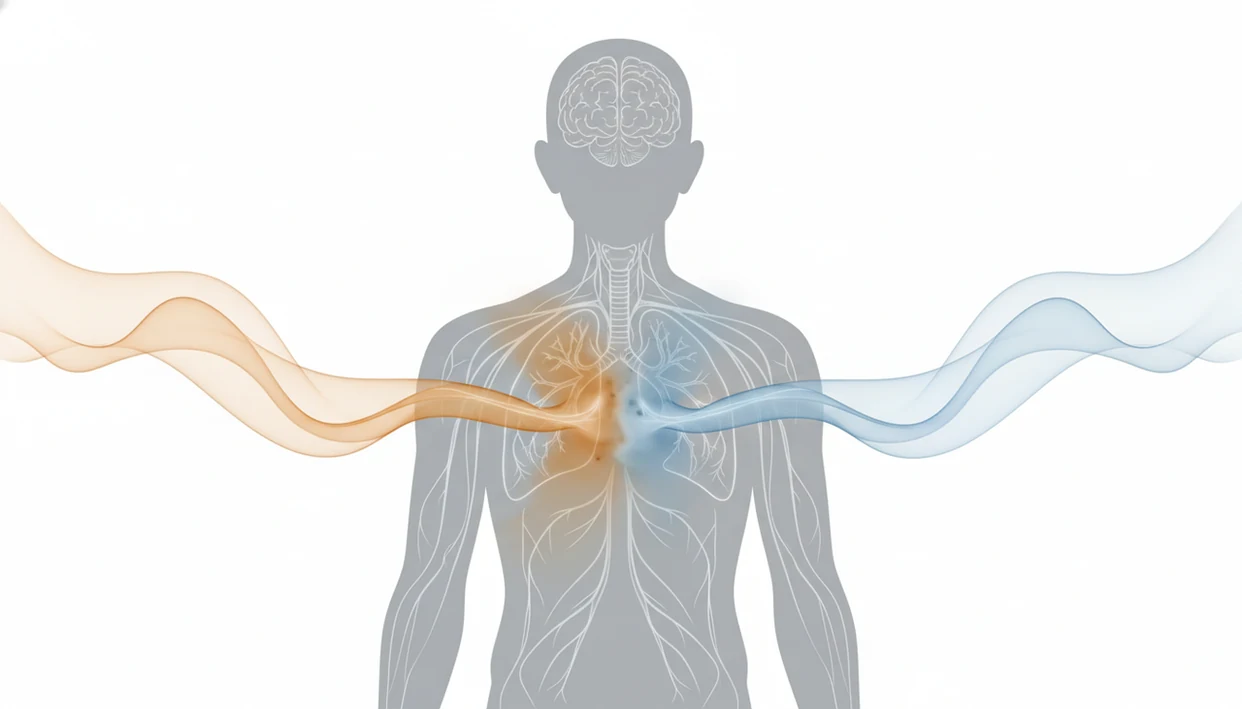
Alcohol and benzodiazepines are central nervous system depressants, which means they slow signaling in the brain and body. When combined, their effects can be additive or synergistic; in plain language, one can make the other hit harder than expected.
That matters in the cabin. Slowed reaction time can affect how quickly you follow instructions. Memory gaps can leave you unsure what you took or drank. Impaired balance matters when you stand in a narrow aisle. Reduced breathing drive is the bigger medical concern, especially if you are deeply sedated and hard to wake.
Risk varies by dose, timing, age, body size, tolerance, other medicines, sleep deprivation, and health conditions. A 6:40 a.m. flight after three hours of sleep is a different body than a rested afternoon departure.
Do not adjust doses on your own. Ask your prescriber or pharmacist about flight anxiety medication, alcohol rules, side effects, and what to do if panic starts anyway.
Alcohol Plane Anxiety Risks Inside The Cabin
Does alcohol plane anxiety feel different once you are actually in the cabin? Yes, because the plane adds lower cabin oxygen, dry air, a dehydration tendency, cramped seating, and long periods of sitting.
Alcohol can worsen dehydration, sleep quality, dizziness, nausea, and next-day anxiety. That “calm” glass before boarding may come back as a racing heart at 3 a.m. in the hotel room. Dry mouth at the gate already feels like panic for some people; alcohol can make that body signal louder.
Long-haul air travel over four hours is associated with about a 2 to 4 times higher risk of venous thromboembolism, or blood clots, according to the CDC: https://www.cdc.gov/blood-clots/risk-factors/travel.html. Sedative-induced deep sleep may reduce walking, calf muscle pumping, hydration, and awareness of leg symptoms.
This is risk stacking, not alarmism. The cool air vent above the seat may help you feel anchored, but it cannot undo a risky drug-alcohol combination.
Alcohol And Benzodiazepine Emergency Data For Nervous Flyers
Public health data show that alcohol-benzodiazepine combinations are a documented harm pattern, even though the data are not flight-specific. In 2010, the CDC reported that alcohol was involved in 21.4% of benzodiazepine-related emergency department visits and 27.2% of benzodiazepine-related deaths: https://www.cdc.gov/mmwr/preview/mmwrhtml/mm6340a1.htm.
A U.S. surveillance sample from the same period found alcohol involved in 22.1% of benzodiazepine-only non-medical use emergency visits and 21.4% of benzodiazepine-involved emergency visits overall. Those numbers do not prove what will happen on your flight. They do support caution.
The same interaction can happen before boarding, in the lounge, in the airport bar, or after the cabin door closes with a thud. Practical takeaway: do not treat alcohol as a harmless add-on to prescribed sedatives.
If you have been prescribed alprazolam, the safety issues are covered in more detail in Xanax for fear of flying.
Common Myths About Alcohol For Flight Anxiety
Myth 1: “A few drinks with Xanax is safe because I’ll just sleep.” Deep sedation can make breathing, waking, balance, and clear response worse. Sleep is not the same as safety.
Myth 2: “Alcohol is the best quick fix for plane anxiety.” It may feel calming briefly, but alcohol can rebound into worse anxiety, poor sleep, and panic-like sensations.
Myth 3: “One-off diazepam or Valium is harmless for everyone.” Individual risk changes with other medicines, sleep loss, alcohol, age, and medical conditions.
Myth 4: “If the medication is prescribed, a drink or two does not matter.” Prescribed does not mean alcohol-compatible.
Myth 5: “I did it before, so it’s safe.” Past uneventful flights do not prove the next mix will be uneventful.
The most common medically supported way to reduce flight phobia over time is skills practice, often CBT-based, combined with gradual exposure and realistic flight education.
Safer Alternatives To Alcohol And Flight Anxiety Medication
Clinicians typically recommend discussing medication choices, timing, side effects, and alcohol rules before travel. Bring the exact medicine name, dose, and flight time to your doctor or pharmacist.
| Option | What it helps with | Why it is safer than alcohol |
|---|---|---|
| CBT skills | Catastrophic thoughts and avoidance | Builds repeatable responses instead of relying on sedation |
| Gradual exposure | Fear learning and anticipation | Teaches the brain that anxiety can rise and fall |
| Breathing skills | Physical panic symptoms | Gives your body one small job during takeoff |
| Grounding | Spiraling thoughts in the seat | Uses attention and senses without intoxication |
| Aviation education | Turbulence and safety fears | Replaces guesses with realistic explanations |
Practicing anxiety tolerance matters more than being unconscious for the flight. A two-minute phone timer, a downloaded playlist, and breathing exercises for flight anxiety are not dramatic, but they are usable when the engines spool.
About 20% of Americans with a current anxiety or mood disorder also had an alcohol use disorder in a major U.S. survey, according to NIAAA: https://www.niaaa.nih.gov/publications/brochures-and-fact-sheets/anxiety-disorders-and-alcohol-use-disorder. Fear-of-flying support should build coping practice, not sell alcohol or sedation as the answer.
Underlying panic disorder, generalized anxiety, trauma, or alcohol concerns may need care beyond travel tips. Grounding practice can also help, especially if you rehearse grounding techniques on plane before departure day.
When To Seek Medical Help Before Or During A Flight
Seek medical guidance before flying if you are unsure how to use an anxiety medicine, sleep aid, or sedating drug safely. During travel, get urgent help if someone is difficult to wake, breathing strangely, severely confused, or unable to stay alert.
A good flight-day plan includes a boring but clear medication plan. Talk honestly with your prescriber about alcohol use, panic attacks, sleep apnea, lung or heart conditions, other sedating medicines, and any past reaction to benzodiazepines or sleeping pills. A pharmacist can also check timing, dose spacing, alcohol warnings, and interactions with antihistamines, pain medicines, muscle relaxers, or sleep products.
- Call your prescriber before the trip if the label, timing, or “as needed” instructions are unclear.
- Ask a pharmacist to review alcohol, dose, timing, and other medicines that could make you sleepy.
- Avoid boarding if you feel dangerously intoxicated, confused, unsteady, or over-sedated.
- Tell cabin crew promptly if you or a travel companion becomes hard to wake, breathes abnormally, or cannot respond normally.
- Seek urgent medical help rather than waiting for symptoms to “wear off.”
Limitations
The evidence supports caution, but there are boundaries to what we can say.
- There is limited direct research on alcohol plus Xanax or diazepam inside airline cabins.
- Risk estimates are inferred from known alcohol-benzodiazepine interactions, emergency data, and aviation-related medical concerns.
- Not all anxiety medications behave the same. SSRIs, SNRIs, buspirone, beta blockers, antihistamines, benzodiazepines, and sleep aids differ.
- Personal risk changes with age, dose, timing, body size, sleep deprivation, medical conditions, and other substances.
- Fear-of-flying therapy and exposure tools are safer long-term strategies, but they are not instant fixes.
- Airline policies, local laws, and prescribing rules vary by country and carrier.
- This article is informational and cannot replace advice from your own clinician, pharmacist, or airline.
If you use FearOfFlying.com alongside medical advice, keep the roles separate: your clinician handles medication safety; the guide helps structure your coping practice.
FAQ
Can I drink with Xanax?
Alcohol and Xanax should generally not be combined because both can increase sedation, impairment, and breathing risk. Ask your prescriber for medication-specific guidance.
Is alcohol safe with Valium?
Alcohol is not considered safe with Valium or diazepam unless a clinician has explicitly advised otherwise. The combination can deepen sedation and make it harder to wake or respond.
Can I drink before flying?
Drinking before flying can worsen dehydration, sleep quality, anxiety rebound, and impairment. The risks are higher if you also take sedating medication.
Does alcohol help plane anxiety?
Alcohol may feel calming briefly, but it can worsen anxiety later and does not build long-term confidence with flying. CBT-based tools and gradual exposure are safer long-term supports.
What should I do if I already mixed alcohol and anxiety medication?
Do not take more alcohol or sedatives. Seek urgent medical help if someone is hard to wake, confused, breathing abnormally, or unable to stay alert.
Is one drink still risky with flight anxiety medication?
Even one drink can increase side effects with sedating medication, and individual risk is unpredictable. Ask a doctor or pharmacist before combining alcohol with any anxiety medicine.
Can sedatives on a plane increase blood clot risk?
Sedatives do not directly cause clots in most people. However, deep sleep and immobility on long flights may contribute to clot risk by reducing movement.
What helps flight anxiety safely?
Safer supports include CBT-based fear-of-flying programs, breathing skills, gradual exposure, grounding techniques, and clinician-guided treatment. Fear of Flying Guide can help organize those tools into a flight-day plan.