
Fear Of Flying Results After First Flight Practice
Fear of flying results after first flight usually mean you completed an important exposure, even if you felt anxious, panicked, exhausted, or disappointed afterward. The best next move is to review what happened accurately, record what helped, and plan a manageable next flight before avoidance takes over.
This page is educational and cannot diagnose panic disorder, PTSD, or another anxiety condition. If fear of flying is causing major avoidance, trauma symptoms, substance use, or panic beyond flights, use these steps alongside care from a licensed clinician.
Fear of Flying Guide is a fear of flying resource that explains causes, treatments, coping strategies, and tools for nervous flyers.
- An anxious first flight still counts as progress if you stayed with the experience through landing.
- After first flight anxiety can include fatigue, shaky feelings, replaying scary moments, or a temporary spike in worry.
- Successful flight next steps include logging triggers, reinforcing the evidence that you coped, and planning a graded next exposure.
Fear of Flying Results After First Flight: At-a-Glance Meanings
Fear, pride, relief, disappointment, fatigue, and renewed worry can all show up after a first practice flight. The useful question is not “Was I calm?” but “Did I stay with the flight, land safely, and learn something I can use next time?”
| Reaction after landing | What it usually means | What to do next |
|---|---|---|
| Pride or relief | Your brain noticed completion | Write the exact sentence: “I was anxious and I flew.” |
| Disappointment | You expected calm instead of coping | Reframe success as staying through landing. |
| Fatigue | Your body may be coming down from adrenaline | Eat, hydrate, and avoid judging the flight while depleted. |
| Shakiness | Stress hormones are settling | Give your body one small job, like walking for five minutes. |
| After first flight anxiety | Old threat predictions may still be active | Log facts before replaying feelings. |
The printed coping plan in your backpack matters here. If you used it once, even clumsily, it becomes part of the result.
How First-Flight Exposure Learning Works
First-flight exposure learning works by testing a feared prediction in real life, not by forcing instant calm. The lesson is, “I can feel anxiety on a plane and still complete the flight,” which is different from “I must feel relaxed before I fly.”
In CBT and graded exposure, the flight becomes a practice trial for new learning. Your brain predicts danger: panic will overwhelm me, turbulence means something is wrong, I will not cope. During and after the flight, you separate anxiety symptoms from danger signals. A racing heart, nausea, tears, or shaking are body alarm sensations; landing safely, normal crew behavior, and the flight continuing are outcome data. Panic may have happened, but completion still matters because you stayed long enough for the feared situation to end without escape.
One completed flight is useful evidence, not the whole treatment. Repeated flights, spaced and graded at manageable levels, strengthen the pattern more reliably than one lucky success. Each practice gives your nervous system another chance to update the prediction: anxious does not mean unsafe, and discomfort does not mean failure.
Specific Phobia Learning After a First Fear of Flying Flight
Fear of flying is a specific anxiety pattern where threat predictions, body sensations, avoidance urges, and safety behaviors combine around air travel. Exposure learning happens when you stay in the feared situation long enough for your nervous system to discover, “I can feel this and still get through it.”
That learning can happen during an ugly flight. Panic does not erase the result if you remained on the plane, felt the sensations, and landed safely. Clinicians typically recommend CBT and graded exposure for phobias because they teach new predictions through repeated practice, not reassurance alone. The American Psychological Association describes exposure therapy as a well-supported CBT technique for anxiety disorders and phobias: source.
Specific phobias affect an estimated 8.7% of U.S. adults in a given year, according to NIMH data on specific phobia prevalence source. If flying is your main trigger, your next useful step is a structured plan, not self-blame.
Dry mouth at the gate is data, not a verdict.
Five-Point Method for Tracking First Flight Results
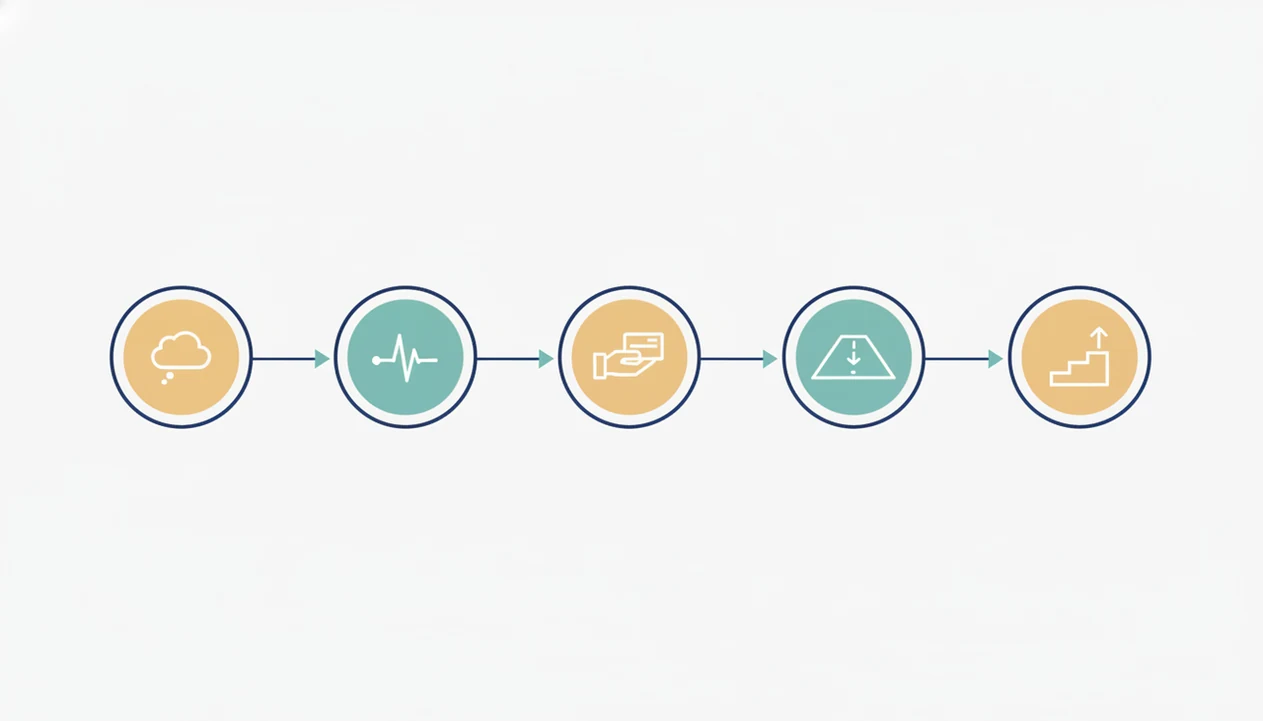
“How do I know whether my first fear-of-flying practice flight worked?” Use five points: before-flight prediction, during-flight symptoms, coping actions, actual outcome, and next-flight lesson.
Write it in the Notes app before the memory gets dramatic. Start with the prediction: “I thought I would bolt at boarding.” Then list symptoms: tight chest, nausea, hot face, or the urge to text “I can’t do this.” Next, record actions: downloaded playlist, paced breathing, water after security, or asking your seatmate for quiet.
Separate facts from fear. “The plane landed safely” is an objective result. “I felt trapped” is an emotional memory. Both are real, but they should not get the same job.
Rate anxiety before the flight, during takeoff, after landing, and 24 hours later. Stop after ten minutes. The review should teach your brain, not become a courtroom search for every scary detail.
Three First Flight Practice Results From Nervous Flyers
Different first-flight results can all become useful if you pull out the right lesson. Use these three examples as review models, not as standards you must match.
Maya: anxious but proud after landing
Maya’s shoulders pressed into the seatback during takeoff, and she counted every engine change. After landing, she felt shaky but proud. Her lesson: confidence can start as “I did it scared,” not “I felt fine.”
Jordan: panic during turbulence
Jordan panicked when the drink rippled on the tray table. Ten minutes later, the cabin was still normal, and the panic had dropped. His lesson: a panic wave can pass without requiring escape.
Elena: discouraged after a completed flight
Elena landed safely but called the flight a failure because she cried in the bathroom afterward. Her lesson: symptoms are not the scorecard. Completion, coping actions, and willingness to try again count.
For a broader practice sequence, the full overcome fear of flying roadmap can help you place one flight inside a longer recovery pattern.
Six Common After First Flight Anxiety Patterns
After first flight anxiety often looks like a delayed stress response, not proof that flying harmed you. Your brain may try to reassert old threat predictions after a successful exposure because the old pattern is familiar.
- Post-flight fatigue is common when adrenaline, muscle tension, and vigilance have been running for hours.
- Shakiness after landing can be a normal body comedown, especially if you braced through takeoff.
- Tearfulness may appear after the effort is over, not only during the scary part.
- Replaying takeoff or turbulence is the brain trying to file the memory, although it can slide into rumination.
- Checking aviation safety content repeatedly may soothe for minutes but keep the threat loop active.
- Fear of the next flight can rise even after success because your brain asks, “What if I can’t repeat it?”
Panic-like symptoms during flying do not automatically mean panic disorder. NIMH estimates lifetime panic disorder affects about 4.7% of U.S. adults, so persistent panic across settings deserves professional assessment source.
Five Successful Flight Next Steps After First Flight Results
Successful flight next steps turn the first flight into a repeatable practice plan. Do this while the flight is still fresh, ideally within 24 hours.
- Log the facts: flight length, seat, hardest phase, symptoms, coping actions, and landing outcome.
- Name the hardest moments: boarding group called, engines spooling, turbulence, descent, or waiting to deplane.
- Record what helped: gum in the front pocket, a two-minute timer, breathing count, playlist, or a short script.
- Choose one adjustment: earlier airport arrival, aisle seat, less caffeine, downloaded audio, or clearer partner support.
- Schedule the next exposure: pick a flight-related step that feels challenging but not overwhelming.
For many nervous flyers, a short planned exposure is often better than waiting months because avoidance can become the main lesson. Make the plan boring on purpose. If you need a flight-day checklist, fear of flying help gives more before, during, and after-flight structure.
Confidence Ladder for Successful Flight Next Steps
A confidence ladder keeps one completed flight from fading into avoidance. The accurate story to reinforce is simple: “I was anxious and I still completed the flight.”
Build the next steps gradually. One ladder might be: visit the airport without flying, take a short nonstop flight, take a longer flight, add a connection, then try a solo flight. Another person may need to practice sitting with airport emails first, before opening the airline app the night before a 6:40 a.m. flight.
Repeated planned exposures usually matter more than one dramatic breakthrough because your brain needs a pattern. The most common medically supported way to reduce phobic avoidance is CBT combined with graded exposure, supported by breathing and relaxation skills when body symptoms spike.
Tools like Fear of Flying Guide, SOAR, and Fly Confident can support that structure, but the work is still the repeated practice. Good fear-of-flying resources explain causes, treatments, coping strategies, and tools for nervous flyers, not miracle calm or airline sales copy.
Single First Flight Result Myths and Misreadings
One flight is a data point, not a final verdict. One easy flight does not guarantee all future flights will feel easy, and one panic-heavy flight does not prove you cannot fly.
Confidence usually comes from a pattern of repeated coping. A nervous flyer may feel calm on a smooth one-hour trip, then anxious again on a longer route with a connection. That is not regression. It is a harder practice level.
Virtual reality exposure therapy also has evidence for reducing anxiety in specific phobias, including fear of flying, according to a 2016 meta-analysis source. VR is not required, but it can help some people practice flight cues before booking a real ticket.
If turbulence was the main trigger, a focused guide to fear of flying after bad turbulence may fit better than general reassurance. Wing flexing outside the window can look wrong when you do not know what it means.
Limitations
Self-review after a first flight is useful, but it has limits. It can organize the experience; it cannot replace proper care when fear is severe.
- One flight cannot reliably predict long-term fear-of-flying progress.
- Self-help is not a substitute for treatment when phobia, trauma, panic, or avoidance is severe.
- Benzodiazepines or sedatives may reduce short-term distress, but they can carry dependence, sedation, and safety risks, and some exposure therapists avoid them because they may blunt learning during practice source.
- Not everyone needs to become a relaxed flyer; manageable discomfort can be a valid goal.
- Evidence is stronger for CBT and graded exposure than for generic mindset hacks or unstructured hypnosis recordings.
- A completed flight may still feel emotionally upsetting, especially if you used intense safety behaviors the whole time.
- Children, teens, parents, and business travelers may need different pacing and support scripts.
If you are mapping progress over months, a fear of flying recovery timeline can keep one hard flight from becoming the whole story. FearOfFlying.com also frames recovery as skill-building, not a personality test.
When to Get Professional Help After a First Flight
Get professional help after a first flight if the fear is expanding, not settling. A hard flight can be part of practice, but severe avoidance, trauma symptoms, or escalating panic deserve more than another self-help worksheet.
Use the flight log as a bridge into care, not as a private trial where you have to prove you are “bad enough.” A licensed clinician can help sort ordinary post-flight stress from a specific phobia, panic pattern, trauma response, or another condition.
- Notice red flags: canceling important trips, being unable to enter the airport, nightmares or flashbacks, panic outside flying, or needing more substances to board.
- Seek licensed treatment: CBT, graded exposure therapy, and panic-focused treatment are common options when fear is persistent or disruptive.
- Bring your notes: show the clinician your predictions, symptoms, coping actions, safety behaviors, and what happened after landing.
- Ask about pacing: treatment should build repeatable practice, not push you into a flight that feels reckless.
- Get urgent support: if you have thoughts of self-harm, feel unsafe, or are using alcohol, sedatives, or other substances dangerously, contact emergency or crisis help now.
Self-review supports care. It does not replace diagnosis or treatment.
FAQ
Is anxiety after flying normal after my first flight?
Yes. Lingering anxiety, fatigue, shakiness, or replaying the flight can be a normal post-adrenaline response after a first flying exposure.
Did I fail my first flight practice if I panicked?
No. If you stayed with the experience through landing, panic during the flight does not mean the practice failed.
Why am I so tired after a flight when I was anxious the whole time?
Anxiety can keep your muscles tense, attention on high alert, and adrenaline active for hours. That effort can leave you exhausted after landing.
When should I fly again after a difficult first flight?
Choose a next flight or flight-related exposure soon enough to reinforce learning, but not so soon that it feels reckless. Many people do better with a manageable graded step than a long avoidance gap.
Should I review my first flight or try to forget it?
Review it briefly and factually. Record predictions, symptoms, coping actions, outcome, and one lesson, then stop before it becomes rumination.
Can one completed flight cure my fear of flying?
One completed flight can be a breakthrough, but lasting change usually comes from repeated practice. Confidence is more reliable when your brain sees the pattern more than once.
What if my next flight feels worse than the first one?
A harder next flight does not erase the first result. Treat it as new practice data and return to your plan instead of assuming the fear is permanent.
When should I get professional help for fear of flying?
Get professional help if flying fear causes major avoidance, panic, trauma symptoms, or worsening distress. CBT, exposure therapy, and panic-focused treatment are common evidence-based options.